Transgenerational Trauma
Transgenerational Trauma: Inheriting Trauma from Previous Generations?
Transgenerational Trauma: Inheriting Trauma from Previous Generations?
DESCRIPTION:
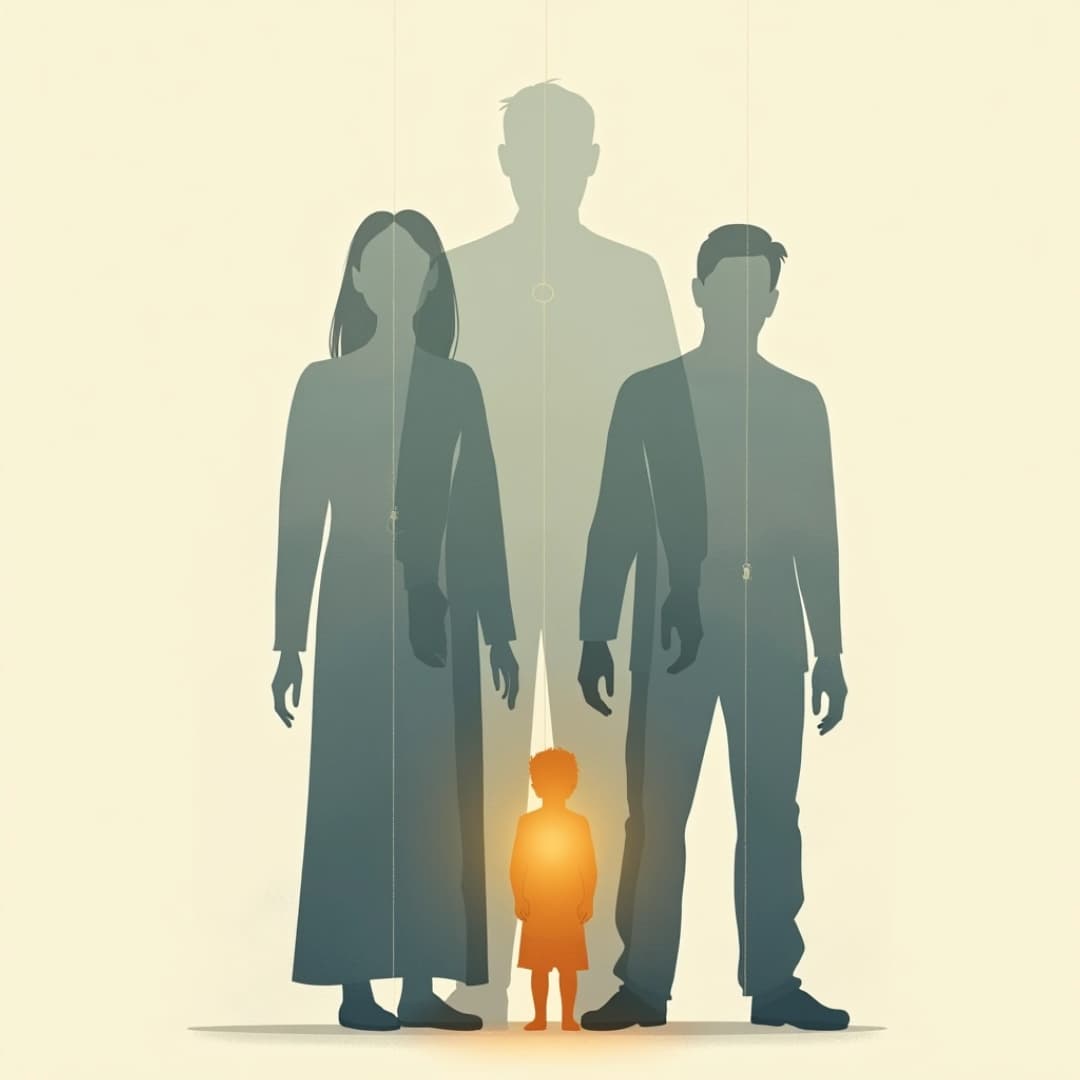
It didn’t start with you: How traumatic experiences are passed down through generations. Can inherited trauma be resolved?
What might be ‘inherited’ in transgenerational trauma
Why does an adult woman suddenly develop panic attacks in situations that are objectively not threatening? Why do the same patterns of failure, fear and isolation repeat themselves across generations in some families? ‘Transgenerational trauma’ seeks to provide an answer to such questions that is both clinically plausible and therapeutically challenging. Mark Wolynn, psychologist and director of the Family Constellation Institute in San Francisco, has made this concept accessible to a wider audience through his book It Didn't Start with You. The following article critically examines Wolynn’s approach and explains what inherited trauma means, how it arises, and what the research actually shows.
What is transgenerational trauma?
Transgenerational trauma refers to the transmission of traumatic experiences from one generation to the next, more specifically through biological, psychological and social channels. The basic idea makes clinical sense: anyone growing up in a household with traumatised caregivers learns regulation, attachment and security under the conditions of that trauma. What is passed on to the next generation is rarely a memory, but rather an emotional state, a regulatory pattern, a vulnerability.
Wolynn’s thesis is that many anxiety disorders, depression, and physical ailments cannot be traced back to one’s own life story. They are said to be symptoms of inherited trauma, pain passed down from a family history that may never have been told. This idea does not originate with Wolynn alone: family therapy and psychoanalytic traditions described the transgenerational transmission of psychological distress long before him.
What is distinctive about Wolynn’s approach is that he combines attachment theory, the ubiquitous yet rarely understood concept of ‘epigenetics’, and systemic therapy into a rather eclectic model that is, at the very least, comprehensible to laypeople. The fact that this model remains a patchwork of ideas and is theoretically vague is a limitation that the book ought not to gloss over. Yet, it acknowledges this only to a limited extent.
How does transgenerational trauma arise, and how is it passed on to children?
Transgenerational trauma is said to arise from a web of unprocessed traumatic experiences, familial silence and affective transference. If a parent has experienced war or flight and has been unable to integrate these experiences, their regulatory capacity, stress response, and the quality of their attachment offerings naturally shape everything, without any conscious intention.
The trauma is then said to develop transgenerationally on several levels simultaneously: physiologically through the parents’ chronically activated stress system; relationally through attachment disorders and affective incoherence; linguistically through silence on distressing topics; and cognitively through beliefs that distort security and trust. The psychologist Leon Windscheid describes how children in traumatised family systems learn to suppress specific feelings, not because they are told to, but because the atmosphere of family life demands it.
What is then passed down from generation to generation need not, therefore, be explicit knowledge. It is the implicit knowledge that contains what the parents were unable to bear: as physical tension, as a regulatory deficit, as a recurring pattern in dealing with closeness and distance.
How does the transgenerational transmission of trauma work?
Three mechanisms are particularly well documented clinically and empirically: biological imprinting, attachment transference, and the family narrative. Every transgenerational transmission of experiences takes place in the everyday quality of interactions, reactions and omissions.
Biologically: The stress system of traumatised parents is permanently dysregulated. This influences the prenatal environment, the quality of early care and emotional availability in the first years of life. In terms of attachment theory, under stress with the child, traumatised individuals display characteristic regulatory patterns that make it difficult for the child to develop a coherent internal model of security. Narrative: What is forbidden to be spoken of within the family creates emotional gaps. Children fill these gaps with their own constructions, which are often more distressing than the secrets themselves.
Wolynn supplements this perspective by focusing on ‘key language’. According to his thesis, the way someone speaks about themselves and their family experiences often bears traces of the underlying family pain. Whether this is methodologically valid remains open to debate. The transmission of traumatic experiences via these channels represents a mechanism that can be described in terms of neurobiology and attachment theory; however, it is well-documented.
What symptoms does inherited trauma manifest in the offspring of traumatised parents?
This is where Wolynn’s theory becomes rather eerie: inherited trauma is said to manifest as an experience with no discernible origin. Symptoms include anxiety disorders, depression, feelings of guilt (all without a clearly identifiable trigger), insecurity in dealing with attachment, and physical complaints without any organic findings. What distinguishes these symptoms from other consequences of trauma is that those affected have not themselves had a comparable traumatic experience.
A typical scenario: an adult woman suddenly experiences panic attacks when entering certain rooms. A young man struggles with feelings of guilt he cannot put into words. A family repeats a pattern of failure and withdrawal across several generations. Anyone who repeatedly feels unable to cope with stressful situations, even though they function well objectively, may be carrying parental or grandparental trauma as an internalised survival strategy.
In his case studies, Wolynn describes how clients only experience resolution of their symptoms once the origin of the pain, understood as a transgenerational source, is cognitively and emotionally integrated. This is plausible, but has not been validated. In their work, the majority of trauma therapists do not encounter a ‘family curse’, but rather traumas that can be clearly traced back to earlier generations. One can certainly agree to this extent: symptoms caused by traumatic experiences require a broader perspective on family history, if only to help those affected gain a better understanding and explanations for what is otherwise incomprehensible. (Forgiveness is a matter for another day.)
And of course: ‘epigenetics’
Epigenetics is a major field of research that investigates whether and how environmental experiences alter gene activity without changing the DNA sequence. Under certain conditions, these epigenetic changes can be passed on to offspring. The finding that trauma can even be inherited epigenetically is no longer speculative, though its scope remains limited.
An internationally renowned epigeneticist in this field is Michael Manley (McGill University), whose research shows that maternal caregiving behaviour directly alters the epigenetic profile of offspring. In the fields of immunobiology and epigenetics, changes to the ‘packaging’ of DNA (methylation patterns at gene loci) are being investigated at sites involved in stress regulation. A measurable result: the cortisol levels of offspring of traumatised parents react differently to threatening stimuli because the genetic material is marked differently in its regulatory architecture.
It should be noted that the scientific studies that clearly demonstrate epigenetic effects in humans have so far primarily focused on factors influencing stress regulation or cancer, without any hereditary transmission. They are often based on animal models. The generalisation to everyday family stresses spanning several generations, as Wolynn claims, goes far beyond the established state of research and should be read, if not as baseless speculation, then at least as a hypothesis.
What scientific studies show
The most systematic scientific studies on the transgenerational mechanisms of trauma transmission come from Holocaust research. Rachel Yehuda and her team studied the descendants of Holocaust survivors and found altered cortisol patterns as well as an increased susceptibility to post-traumatic stress disorder. Corresponding epigenetic differences in stress-regulating gene loci were also detected in the descendants of Holocaust survivors.
Research into the transmission of trauma to subsequent generations has also gained prominence in the social sciences and clinical psychology. Studies on the transgenerational transmission of war-traumatised childhoods show that anxiety disorders and post-traumatic stress disorder are overrepresented among the descendants of traumatised parents. These findings stem from interdisciplinary studies combining developmental psychology, social science and neurobiology.
Some of the most revealing data comes from studies that trace historical experiences across four generations. Interdisciplinary studies on the persistence of historical experiences show that traumatic patterns can be passed on not only to children, but also to grandchildren and great-grandchildren. Researchers such as Iovino have investigated the link between collective historical trauma and individual psychological experience, documenting the persistence of historical experiences across four generations.
Particularly revealing are studies from Bosnia and Herzegovina that analyse the transgenerational transmission of war-traumatised childhoods. Women and girls who have experienced wartime violence pass on stress to their children through altered attachment quality, impaired regulatory capacity and the structural silence surrounding their experiences. Studies on the persistence of historical experiences show that the effects of such collective stress remain palpable in families and society across several generations.
Making causal statements remains methodologically challenging: transgenerational influence operates simultaneously through epigenetic, attachment-based and socialisation-related channels, which are difficult to distinguish empirically. Determining which factors are attributable to which mechanisms is the subject of ongoing research.
The field of research is young, and methodological standards vary greatly. It remains undeniable, however, that the transgenerational transmission of traumatic patterns constitutes a socially relevant phenomenon with both clinical and preventive consequences. And it holds to account any warmonger who, today, regardless of in whose name, is prepared to instigate collective traumatisation once again.
What role do narratives and significant others play within the family?
What is forbidden to be said within the family often shapes subsequent generations just as much as what is spoken. The family narrative, the collective history a family tells or conceals about itself, is a central channel for transmitting traumatic memories.
Those affected by trauma communicate not only through language but also through non-verbal means: through physical tension, through abrupt changes of subject, through emotional incoherence at certain moments. Children pick up on these signals without being able to name them. They learn which feelings are permitted and how they might be better understood if one remains silent about them. This implicit regulation shapes the internal working model of security and relationships and is passed on from generation to generation to the members of the next generation.
Wolynn’s key language speculation ties in here, though without clarifying how often—and if so, why—the traumas of past generations are kept secret, and whether the effects he claims also occur in children growing up in adoptive families (who, however, regularly undergo traumatic experiences themselves due to the impact of war).
Breaking through post-traumatic stress: psychotherapy as a path
Be that as it may, recovery from trauma begins with breaking the silence. In psychotherapy, the aim is not to work through other people’s stories vicariously, but to explore one’s own symptoms in a way that makes sense, possibly within a broader family context. This provides clarity where previously there was only a vague sense of distress. Whether Wollyn’s theories can make a specific contribution to this remains to be investigated.
Therapeutically effective are approaches that simultaneously address cognitive, somatic and relational levels: trauma-focused psychotherapy, EMDR, psychodynamically oriented trauma work and attachment-based approaches. Prevention begins here: parents who work through their own trauma break the cycle. Abuse or neglect in the previous generation need not continue across generations.
Wolynn’s exercises, visualisations, language routines and body-oriented practices could be useful as a supplement to professional support. As a stand-alone self-help programme for people with severe trauma, they are insufficient. Anyone repeatedly confronted with distressing situations they cannot make sense of needs therapeutic support, not an app or a self-help book.
Gisant Syndrome: Salomon Sellam’s variant of transgenerational trauma and its limitations
Not even Wolynn’s speculations on ‘secret’ transgenerational trauma with its ‘inexplicable’ symptoms are particularly new. Anyone who reads through the popular literature on transgenerational trauma will sooner or later come across Salomon Sellam. In his unbearable “Le Syndrome du Gisant – Un subtil enfant de remplacement” (2001, Éditions Bérangel), the French physician and psychosomatic specialist describes a form of the replacement child phenomenon he discovered, which he declares to be a distinct “clinical syndrome”. The basic idea is formulated there as follows: if a family member dies in a way that is experienced by the bereaved as “too early, unacceptable, unjust”, a “transgenerational automatic healing dynamic” sets in. The next child born is somehow unconsciously burdened with the task of representing the deceased and continuing to live in their stead. According to Sellam, the typical statement of this ‘Gisant’ – literally: the grave figure – is: ‘I don’t feel as though I am living my own life.’
The intuition behind this is not at all implausible and, unsurprisingly, overlaps with the ‘replacement child’ concept as described by Krell and Rabkin in 1979, as well as with the attachment theories to which Wolynn also draws. When a parent is unable to grieve because a loss was too early, too brutal or too unspeakable, this inability is transferred to the relationship with the next child – as affective incoherence, as projection, as emotional absence. This is well documented in attachment research and is one of the clinically best-substantiated mechanisms of transgenerational transmission. In this respect, Sellam shares common ground with Wolynn, André Green and empirical attachment research.
The problem arises where Sellam has expanded the clinical field of observation into a quasi-diagnostic system that generates its own rules of plausibility. The central diagnostic criterion is the so-called ‘Point G’: the sum of the child’s date of birth plus nine months of symbolic gestation is said to coincide with the date of birth, death or conception of a deceased ancestor. This date marks the moment at which the child ‘symbolically encounters’ the deceased. Anyone working with this will find that, given sufficiently extensive family trees and a sufficient number of possible matching dates, a suitable ancestor can almost always be found – the classic pattern of a non-falsifiable construct.
Added to this is the epistemic framework: Sellam operates with the concept of the Inconscient Collectif, which he understands less in Jung’s clinical sense than within a quasi-spiritual framework. The metaphor with which he describes his own death and that of his descendants: “Notre âme prend ses bagages. Nos omoplates se déploient et nous reprenons notre vol” (Our soul shoulders the burden, and we resume our flight), is poetic and forms part of the self-image of a psychogenealogy that explicitly moves between clinical practice, genealogy and spirituality. This marks the categorical distance from empirical trauma research.
The Observatoire Zététique – France’s institutionalised body for scientific scepticism – has analysed Sellam’s evidence base and found that the ‘evidence’ presented consists exclusively of case studies from his own practice, that no control groups exist, and that no independent verification of the diagnostic criteria has taken place. The author’s own publishing house published the book; the author is also the publisher. The book’s success, as the publisher itself writes, is based on its “archaic philosophy, which is present in each of us because it belongs to our collective unconscious.” This rationale explains its popularity but does not support its scientific validity.
The parallel with Wolynn is illuminating. Both operate in the same popular market segment – transgenerational self-help – draw on empirically verifiable clinical observations, and significantly overstretch a clinical finding to form their own theories. The difference is only a matter of degree. Wolynn remains closer to attachment research and ‘epigenetics’; Sellam drifts towards a symbolic numerology of the family tree. What links the two is the pattern: a genuine clinical observation – that family losses which cannot be mourned have an affective impact on subsequent generations – is expanded into a closed explanatory system that shields itself against falsification, because it makes the attribution of symptoms to ancestors appear, in principle, always possible.
Given the current state of research, it can confidently be denied that Gisant syndrome, as described by Sellam, is clinically viable. However, it is plausible and theoretically tenable that lost, concealed or unmourned family members can exert a real psychological effect on subsequent generations. Distinguishing between the two is the core task in dealing with these phenomena.
Wolynn writes in an accessible style, illustrating abstract mechanisms with concrete case studies and using these to develop a model within a growing field of research. The conceptual limitations lie in the evidence base: the ‘key language’ approach is not empirically substantiated anywhere. The epigenetic foundations are real, but they are far from sufficiently substantiated to support the breadth of speculation for which Wolynn invokes them. Family constellation work, the institutional background from which Wolynn comes, remains rightly controversial within the professional community. Furthermore, there is a risk that the ‘mysterious’ transgenerational framework may obscure individual responsibility or oversimplify patterns of clinical disorder.
What nevertheless stands is the basic idea that familial silence, transgenerational breaks in attachment, and biological stress responses shape psychological experience, and it is not mere speculation. For people seeking to understand their feelings better and free themselves from seemingly inexplicable, recurring patterns, however, Pete Walker’s concept of ‘repetition compulsion’ likely offers a more robust approach.
Summary of the key findings
· Transgenerational trauma refers to the transmission of unprocessed traumatic experiences from one generation to the next, via biological, relational and linguistic channels.
· Symptoms such as anxiety disorders, feelings of guilt, depression and physical complaints that do not originate in the affected person’s own life history are thought to prove the inherited trauma.
· Epigenetic changes caused by extreme trauma (e.g. the Holocaust) have been demonstrated; however, their transferability to other family stresses has not yet been scientifically established.
· The family narrative and the quality of regulation provided by caregivers, on the other hand, are well-documented channels of transmission for transgenerational trauma.
· Interdisciplinary studies, such as those on women and girls in Bosnia and Herzegovina or on the descendants of Holocaust survivors, demonstrate the social dimension of transmission across several generations.
· Any trauma can be overcome through psychotherapy, particularly trauma-focused and attachment-based approaches; prevention begins with trauma processing in the parental generation.
· Mark Wolynn’s book is rather much ado about nothing and is no substitute for clinical diagnosis or psychotherapy.
Related:
DESCRIPTION:
It didn’t start with you: How traumatic experiences are passed down through generations. Can inherited trauma be resolved?
What might be ‘inherited’ in transgenerational trauma
Why does an adult woman suddenly develop panic attacks in situations that are objectively not threatening? Why do the same patterns of failure, fear and isolation repeat themselves across generations in some families? ‘Transgenerational trauma’ seeks to provide an answer to such questions that is both clinically plausible and therapeutically challenging. Mark Wolynn, psychologist and director of the Family Constellation Institute in San Francisco, has made this concept accessible to a wider audience through his book It Didn't Start with You. The following article critically examines Wolynn’s approach and explains what inherited trauma means, how it arises, and what the research actually shows.
What is transgenerational trauma?
Transgenerational trauma refers to the transmission of traumatic experiences from one generation to the next, more specifically through biological, psychological and social channels. The basic idea makes clinical sense: anyone growing up in a household with traumatised caregivers learns regulation, attachment and security under the conditions of that trauma. What is passed on to the next generation is rarely a memory, but rather an emotional state, a regulatory pattern, a vulnerability.
Wolynn’s thesis is that many anxiety disorders, depression, and physical ailments cannot be traced back to one’s own life story. They are said to be symptoms of inherited trauma, pain passed down from a family history that may never have been told. This idea does not originate with Wolynn alone: family therapy and psychoanalytic traditions described the transgenerational transmission of psychological distress long before him.
What is distinctive about Wolynn’s approach is that he combines attachment theory, the ubiquitous yet rarely understood concept of ‘epigenetics’, and systemic therapy into a rather eclectic model that is, at the very least, comprehensible to laypeople. The fact that this model remains a patchwork of ideas and is theoretically vague is a limitation that the book ought not to gloss over. Yet, it acknowledges this only to a limited extent.
How does transgenerational trauma arise, and how is it passed on to children?
Transgenerational trauma is said to arise from a web of unprocessed traumatic experiences, familial silence and affective transference. If a parent has experienced war or flight and has been unable to integrate these experiences, their regulatory capacity, stress response, and the quality of their attachment offerings naturally shape everything, without any conscious intention.
The trauma is then said to develop transgenerationally on several levels simultaneously: physiologically through the parents’ chronically activated stress system; relationally through attachment disorders and affective incoherence; linguistically through silence on distressing topics; and cognitively through beliefs that distort security and trust. The psychologist Leon Windscheid describes how children in traumatised family systems learn to suppress specific feelings, not because they are told to, but because the atmosphere of family life demands it.
What is then passed down from generation to generation need not, therefore, be explicit knowledge. It is the implicit knowledge that contains what the parents were unable to bear: as physical tension, as a regulatory deficit, as a recurring pattern in dealing with closeness and distance.
How does the transgenerational transmission of trauma work?
Three mechanisms are particularly well documented clinically and empirically: biological imprinting, attachment transference, and the family narrative. Every transgenerational transmission of experiences takes place in the everyday quality of interactions, reactions and omissions.
Biologically: The stress system of traumatised parents is permanently dysregulated. This influences the prenatal environment, the quality of early care and emotional availability in the first years of life. In terms of attachment theory, under stress with the child, traumatised individuals display characteristic regulatory patterns that make it difficult for the child to develop a coherent internal model of security. Narrative: What is forbidden to be spoken of within the family creates emotional gaps. Children fill these gaps with their own constructions, which are often more distressing than the secrets themselves.
Wolynn supplements this perspective by focusing on ‘key language’. According to his thesis, the way someone speaks about themselves and their family experiences often bears traces of the underlying family pain. Whether this is methodologically valid remains open to debate. The transmission of traumatic experiences via these channels represents a mechanism that can be described in terms of neurobiology and attachment theory; however, it is well-documented.
What symptoms does inherited trauma manifest in the offspring of traumatised parents?
This is where Wolynn’s theory becomes rather eerie: inherited trauma is said to manifest as an experience with no discernible origin. Symptoms include anxiety disorders, depression, feelings of guilt (all without a clearly identifiable trigger), insecurity in dealing with attachment, and physical complaints without any organic findings. What distinguishes these symptoms from other consequences of trauma is that those affected have not themselves had a comparable traumatic experience.
A typical scenario: an adult woman suddenly experiences panic attacks when entering certain rooms. A young man struggles with feelings of guilt he cannot put into words. A family repeats a pattern of failure and withdrawal across several generations. Anyone who repeatedly feels unable to cope with stressful situations, even though they function well objectively, may be carrying parental or grandparental trauma as an internalised survival strategy.
In his case studies, Wolynn describes how clients only experience resolution of their symptoms once the origin of the pain, understood as a transgenerational source, is cognitively and emotionally integrated. This is plausible, but has not been validated. In their work, the majority of trauma therapists do not encounter a ‘family curse’, but rather traumas that can be clearly traced back to earlier generations. One can certainly agree to this extent: symptoms caused by traumatic experiences require a broader perspective on family history, if only to help those affected gain a better understanding and explanations for what is otherwise incomprehensible. (Forgiveness is a matter for another day.)
And of course: ‘epigenetics’
Epigenetics is a major field of research that investigates whether and how environmental experiences alter gene activity without changing the DNA sequence. Under certain conditions, these epigenetic changes can be passed on to offspring. The finding that trauma can even be inherited epigenetically is no longer speculative, though its scope remains limited.
An internationally renowned epigeneticist in this field is Michael Manley (McGill University), whose research shows that maternal caregiving behaviour directly alters the epigenetic profile of offspring. In the fields of immunobiology and epigenetics, changes to the ‘packaging’ of DNA (methylation patterns at gene loci) are being investigated at sites involved in stress regulation. A measurable result: the cortisol levels of offspring of traumatised parents react differently to threatening stimuli because the genetic material is marked differently in its regulatory architecture.
It should be noted that the scientific studies that clearly demonstrate epigenetic effects in humans have so far primarily focused on factors influencing stress regulation or cancer, without any hereditary transmission. They are often based on animal models. The generalisation to everyday family stresses spanning several generations, as Wolynn claims, goes far beyond the established state of research and should be read, if not as baseless speculation, then at least as a hypothesis.
What scientific studies show
The most systematic scientific studies on the transgenerational mechanisms of trauma transmission come from Holocaust research. Rachel Yehuda and her team studied the descendants of Holocaust survivors and found altered cortisol patterns as well as an increased susceptibility to post-traumatic stress disorder. Corresponding epigenetic differences in stress-regulating gene loci were also detected in the descendants of Holocaust survivors.
Research into the transmission of trauma to subsequent generations has also gained prominence in the social sciences and clinical psychology. Studies on the transgenerational transmission of war-traumatised childhoods show that anxiety disorders and post-traumatic stress disorder are overrepresented among the descendants of traumatised parents. These findings stem from interdisciplinary studies combining developmental psychology, social science and neurobiology.
Some of the most revealing data comes from studies that trace historical experiences across four generations. Interdisciplinary studies on the persistence of historical experiences show that traumatic patterns can be passed on not only to children, but also to grandchildren and great-grandchildren. Researchers such as Iovino have investigated the link between collective historical trauma and individual psychological experience, documenting the persistence of historical experiences across four generations.
Particularly revealing are studies from Bosnia and Herzegovina that analyse the transgenerational transmission of war-traumatised childhoods. Women and girls who have experienced wartime violence pass on stress to their children through altered attachment quality, impaired regulatory capacity and the structural silence surrounding their experiences. Studies on the persistence of historical experiences show that the effects of such collective stress remain palpable in families and society across several generations.
Making causal statements remains methodologically challenging: transgenerational influence operates simultaneously through epigenetic, attachment-based and socialisation-related channels, which are difficult to distinguish empirically. Determining which factors are attributable to which mechanisms is the subject of ongoing research.
The field of research is young, and methodological standards vary greatly. It remains undeniable, however, that the transgenerational transmission of traumatic patterns constitutes a socially relevant phenomenon with both clinical and preventive consequences. And it holds to account any warmonger who, today, regardless of in whose name, is prepared to instigate collective traumatisation once again.
What role do narratives and significant others play within the family?
What is forbidden to be said within the family often shapes subsequent generations just as much as what is spoken. The family narrative, the collective history a family tells or conceals about itself, is a central channel for transmitting traumatic memories.
Those affected by trauma communicate not only through language but also through non-verbal means: through physical tension, through abrupt changes of subject, through emotional incoherence at certain moments. Children pick up on these signals without being able to name them. They learn which feelings are permitted and how they might be better understood if one remains silent about them. This implicit regulation shapes the internal working model of security and relationships and is passed on from generation to generation to the members of the next generation.
Wolynn’s key language speculation ties in here, though without clarifying how often—and if so, why—the traumas of past generations are kept secret, and whether the effects he claims also occur in children growing up in adoptive families (who, however, regularly undergo traumatic experiences themselves due to the impact of war).
Breaking through post-traumatic stress: psychotherapy as a path
Be that as it may, recovery from trauma begins with breaking the silence. In psychotherapy, the aim is not to work through other people’s stories vicariously, but to explore one’s own symptoms in a way that makes sense, possibly within a broader family context. This provides clarity where previously there was only a vague sense of distress. Whether Wollyn’s theories can make a specific contribution to this remains to be investigated.
Therapeutically effective are approaches that simultaneously address cognitive, somatic and relational levels: trauma-focused psychotherapy, EMDR, psychodynamically oriented trauma work and attachment-based approaches. Prevention begins here: parents who work through their own trauma break the cycle. Abuse or neglect in the previous generation need not continue across generations.
Wolynn’s exercises, visualisations, language routines and body-oriented practices could be useful as a supplement to professional support. As a stand-alone self-help programme for people with severe trauma, they are insufficient. Anyone repeatedly confronted with distressing situations they cannot make sense of needs therapeutic support, not an app or a self-help book.
Gisant Syndrome: Salomon Sellam’s variant of transgenerational trauma and its limitations
Not even Wolynn’s speculations on ‘secret’ transgenerational trauma with its ‘inexplicable’ symptoms are particularly new. Anyone who reads through the popular literature on transgenerational trauma will sooner or later come across Salomon Sellam. In his unbearable “Le Syndrome du Gisant – Un subtil enfant de remplacement” (2001, Éditions Bérangel), the French physician and psychosomatic specialist describes a form of the replacement child phenomenon he discovered, which he declares to be a distinct “clinical syndrome”. The basic idea is formulated there as follows: if a family member dies in a way that is experienced by the bereaved as “too early, unacceptable, unjust”, a “transgenerational automatic healing dynamic” sets in. The next child born is somehow unconsciously burdened with the task of representing the deceased and continuing to live in their stead. According to Sellam, the typical statement of this ‘Gisant’ – literally: the grave figure – is: ‘I don’t feel as though I am living my own life.’
The intuition behind this is not at all implausible and, unsurprisingly, overlaps with the ‘replacement child’ concept as described by Krell and Rabkin in 1979, as well as with the attachment theories to which Wolynn also draws. When a parent is unable to grieve because a loss was too early, too brutal or too unspeakable, this inability is transferred to the relationship with the next child – as affective incoherence, as projection, as emotional absence. This is well documented in attachment research and is one of the clinically best-substantiated mechanisms of transgenerational transmission. In this respect, Sellam shares common ground with Wolynn, André Green and empirical attachment research.
The problem arises where Sellam has expanded the clinical field of observation into a quasi-diagnostic system that generates its own rules of plausibility. The central diagnostic criterion is the so-called ‘Point G’: the sum of the child’s date of birth plus nine months of symbolic gestation is said to coincide with the date of birth, death or conception of a deceased ancestor. This date marks the moment at which the child ‘symbolically encounters’ the deceased. Anyone working with this will find that, given sufficiently extensive family trees and a sufficient number of possible matching dates, a suitable ancestor can almost always be found – the classic pattern of a non-falsifiable construct.
Added to this is the epistemic framework: Sellam operates with the concept of the Inconscient Collectif, which he understands less in Jung’s clinical sense than within a quasi-spiritual framework. The metaphor with which he describes his own death and that of his descendants: “Notre âme prend ses bagages. Nos omoplates se déploient et nous reprenons notre vol” (Our soul shoulders the burden, and we resume our flight), is poetic and forms part of the self-image of a psychogenealogy that explicitly moves between clinical practice, genealogy and spirituality. This marks the categorical distance from empirical trauma research.
The Observatoire Zététique – France’s institutionalised body for scientific scepticism – has analysed Sellam’s evidence base and found that the ‘evidence’ presented consists exclusively of case studies from his own practice, that no control groups exist, and that no independent verification of the diagnostic criteria has taken place. The author’s own publishing house published the book; the author is also the publisher. The book’s success, as the publisher itself writes, is based on its “archaic philosophy, which is present in each of us because it belongs to our collective unconscious.” This rationale explains its popularity but does not support its scientific validity.
The parallel with Wolynn is illuminating. Both operate in the same popular market segment – transgenerational self-help – draw on empirically verifiable clinical observations, and significantly overstretch a clinical finding to form their own theories. The difference is only a matter of degree. Wolynn remains closer to attachment research and ‘epigenetics’; Sellam drifts towards a symbolic numerology of the family tree. What links the two is the pattern: a genuine clinical observation – that family losses which cannot be mourned have an affective impact on subsequent generations – is expanded into a closed explanatory system that shields itself against falsification, because it makes the attribution of symptoms to ancestors appear, in principle, always possible.
Given the current state of research, it can confidently be denied that Gisant syndrome, as described by Sellam, is clinically viable. However, it is plausible and theoretically tenable that lost, concealed or unmourned family members can exert a real psychological effect on subsequent generations. Distinguishing between the two is the core task in dealing with these phenomena.
Wolynn writes in an accessible style, illustrating abstract mechanisms with concrete case studies and using these to develop a model within a growing field of research. The conceptual limitations lie in the evidence base: the ‘key language’ approach is not empirically substantiated anywhere. The epigenetic foundations are real, but they are far from sufficiently substantiated to support the breadth of speculation for which Wolynn invokes them. Family constellation work, the institutional background from which Wolynn comes, remains rightly controversial within the professional community. Furthermore, there is a risk that the ‘mysterious’ transgenerational framework may obscure individual responsibility or oversimplify patterns of clinical disorder.
What nevertheless stands is the basic idea that familial silence, transgenerational breaks in attachment, and biological stress responses shape psychological experience, and it is not mere speculation. For people seeking to understand their feelings better and free themselves from seemingly inexplicable, recurring patterns, however, Pete Walker’s concept of ‘repetition compulsion’ likely offers a more robust approach.
Summary of the key findings
· Transgenerational trauma refers to the transmission of unprocessed traumatic experiences from one generation to the next, via biological, relational and linguistic channels.
· Symptoms such as anxiety disorders, feelings of guilt, depression and physical complaints that do not originate in the affected person’s own life history are thought to prove the inherited trauma.
· Epigenetic changes caused by extreme trauma (e.g. the Holocaust) have been demonstrated; however, their transferability to other family stresses has not yet been scientifically established.
· The family narrative and the quality of regulation provided by caregivers, on the other hand, are well-documented channels of transmission for transgenerational trauma.
· Interdisciplinary studies, such as those on women and girls in Bosnia and Herzegovina or on the descendants of Holocaust survivors, demonstrate the social dimension of transmission across several generations.
· Any trauma can be overcome through psychotherapy, particularly trauma-focused and attachment-based approaches; prevention begins with trauma processing in the parental generation.
· Mark Wolynn’s book is rather much ado about nothing and is no substitute for clinical diagnosis or psychotherapy.
Related:
Newsletter
Would you like to be notified when I publish a new blog post? Sign up here.
Click "Subscribe for free" if you have read and accepted my privacy policy. You can revoke your consent at any time.
Newsletter
Would you like to be notified when I publish a new blog post? Sign up here.
Click "Subscribe for free" if you have read and accepted my privacy policy. You can revoke your consent at any time.