Dopamine
DESCRIPTION:
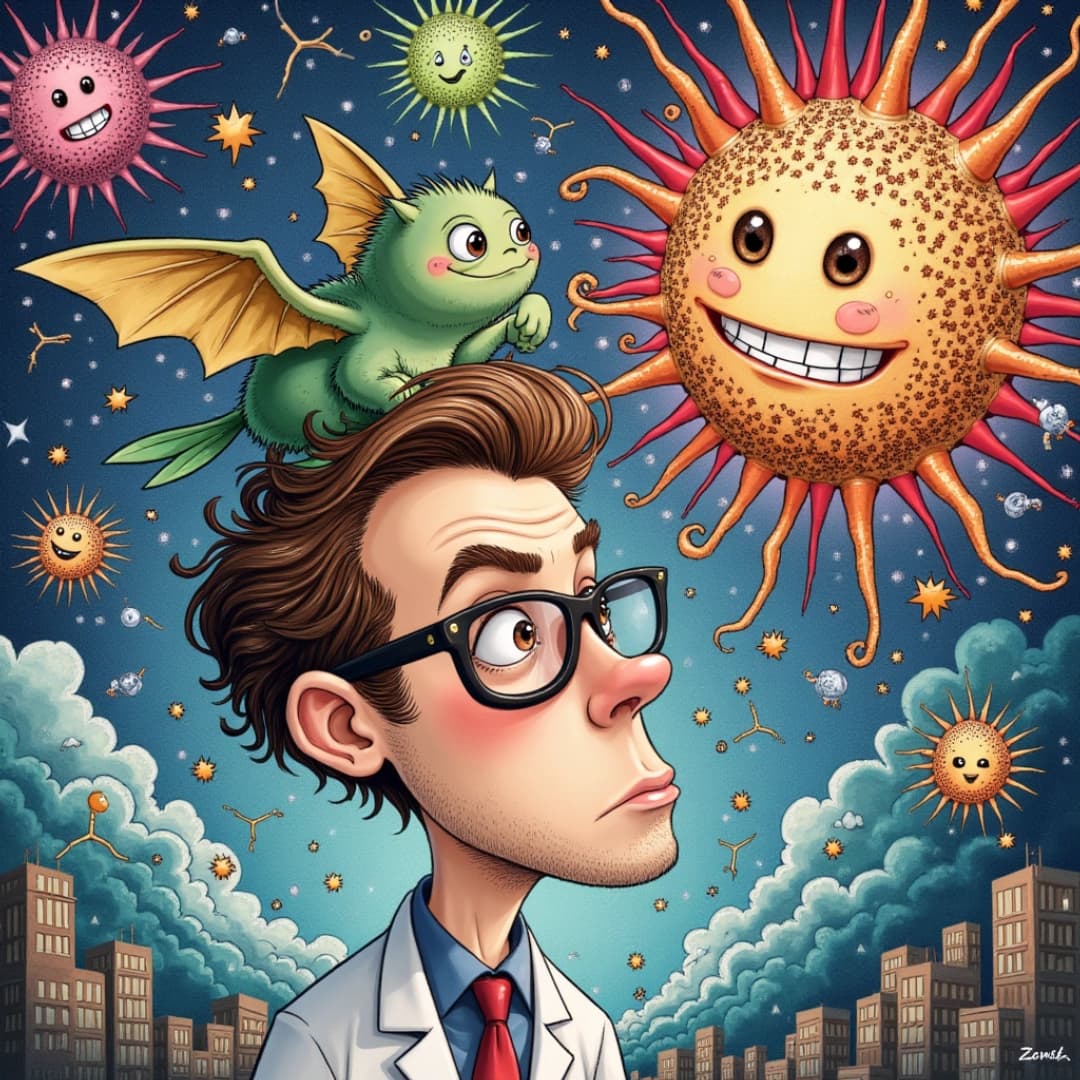
Dopamine is not just a happiness hormone! But its release strongly influences our reward system, motivation, and behaviour.
The truth about the happiness hormone dopamine: more than just a messenger substance for feelings of happiness
In today's performance-oriented society, the happiness hormone dopamine is often celebrated as the ultimate fuel for success and well-being. But behind the sensational headlines about feelings of happiness lies a highly complex neurotransmitter whose true function is often misunderstood.
What’s it about:
· Pseudoscientific myths, such as the idea that you can "cleanse" the brain through short-term withdrawal, and,
· Sound insights into its interaction with serotonin and the body's own reward system.
If you want to understand how to really increase dopamine without falling into the trap of constant sensory overload, you will find the scientific basis here.
1. What is dopamine really, and how does it work in the nervous system?
Dopamine is much more than a simple "feel-good molecule"; it is a vital neurotransmitter that acts throughout the body. As a central messenger substance, it is primarily active in the brain, but is also produced in peripheral tissues such as the adrenal medulla. It acts as a crucial messenger between nerve cells, bridging the gap at synapses. When electrical impulses reach the end of a nerve cell, the substance is released into the synaptic cleft, transmitting information at lightning speed.
The entire nervous system relies on the precise control of this process. It is a hormone that regulates not only emotions, but also blood flow to the organs and fine motor skills. Without this chemical courier, coordinated interaction between the brain and the rest of the body would be impossible.
2. Why is the happiness hormone dopamine often misunderstood?
The term "happiness hormone dopamine" suggests that the mere presence of the substance makes us happy. However, science, represented by the University of Vienna among others, shows that the effect of dopamine is primarily based on the aspect of desire ("wanting"). At the same time, actual enjoyment ("liking") is more controlled by endorphins. It is the driving force that makes us strive for a reward, not the reward itself.
In comparison, serotonin is more responsible for long-term satisfaction and serenity. Anyone who tries to view their happiness hormones in isolation overlooks the complex balance. The popular belief that more dopamine in the body automatically translates into more joie de vivre often leads to a risky lifestyle that prioritises short-term thrills over lasting satisfaction.
3. How does the reward system control our daily motivation?
The brain's reward system is an archaic mechanism that ensures our survival. As soon as we achieve a goal or experience a positive surprise, a significant amount of dopamine is released in the reward centre. This process is often referred to as "reward prediction error": the brain learns which actions lead to success and reinforces them by releasing dopamine.
This release of dopamine provides a brief, intense feeling of happiness that motivates us to repeat the action. In the modern world, however, this dopamine system is overstimulated by social media and fast food. The brain becomes accustomed to extremely high dopamine concentrations, which can lead to natural stimuli no longer being sufficient to generate motivation.
4. Dopamine deficiency and Parkinson's disease: when movement stagnates
A severe dopamine deficiency not only manifests itself in a bad mood but can also lead to serious physical illness. The best-known consequence of chronic deficiency is Parkinson's disease. In this condition, the nerve cells that produce dopamine die off, leading to tremors and muscle stiffness. At this stage, the entire dopamine system is so disrupted that voluntary movements are hardly possible.
Clinical evidence of dopamine deficiency shows that this substance is essential for motor control. When dopamine levels are so severely impaired, drugs such as L-dopa often have to be used to replace the missing precursor and alleviate the symptoms. This illustrates that we are dealing with a highly sensitive biological tool.
5. How are mental illnesses related to dopamine levels?
Various mental illnesses are directly related to an imbalance of this neurotransmitter. In ADHD, for example, it is assumed that the receptors in the brain react less efficiently to its release, which drives those affected to seek new stimuli to compensate for their inner deficit constantly. It is a constant battle against a perceived dopamine deficiency.
On the other hand, an excess of dopamine in some regions of the brain can lead to psychosis or schizophrenia. In this case, the world is perceived as overly meaningful or threatening, as the brain assigns too much relevance to unimportant stimuli. A disturbed dopamine level can thus blur the line between reality and imagination.
6. Addictive behaviour and the dark side of dopamine release
Addiction is ultimately a misdirection of the reward system. Drugs or excessive behaviour force a release of dopamine that far exceeds natural levels. This artificial addictive behaviour leads to a fatal feedback effect: the brain breaks down dopamine receptors to protect itself from sensory overload, which means that everyday activities no longer bring pleasure.
In the long term, this causes those affected to suffer from severe anxiety when the addictive substance is absent. The feel-good hormone becomes necessary to achieve a normal level of functioning. The constant pursuit of the next dopamine rush destroys the ability to experience positivity in everyday life and leads to a downward spiral of dependence and emotional numbness.
7. Increasing dopamine: Can a balanced diet help?
If you want to increase your dopamine naturally, you should start with the basics: food. The body needs the amino acid tyrosine to produce the neurotransmitter. A balanced diet rich in amino acids provides the necessary building blocks for brain production. Certain micronutrients, such as a specific vitamin (especially B6), are also essential as cofactors.
Omega-3 fatty acids, which support the health of nerve cell membranes, are particularly valuable. Fish such as salmon and mackerel, as well as plant sources like flaxseed, should be included in your diet regularly. Although such nutrients are no substitute for therapy, they form the foundation for stable dopamine levels and support overall mental resilience.
8. Dopamine detox: sensible break or scientific nonsense?
The "dopamine detox" trend falsely suggests that you can cleanse your brain of a chemical. Scientifically speaking, this is a myth, as you cannot simply "switch off" a neurotransmitter. Nevertheless, consciously avoiding excessive external stimulation, such as smartphones or constant snacking, can help strengthen impulse control.
Such a detox is more of a behavioural break than a biochemical cleansing. By not bombarding the brain with high-speed stimuli for a while, you learn to appreciate small intermediate goals and simple pleasures again. It's about shifting your focus from the constant pursuit of the next thrill to a healthy lifestyle.
9. What role does physical activity play in dopamine levels?
Regular exercise is one of the most effective ways to boost dopamine production. During exercise, not only endorphins but also dopamine are released. This explains the often-cited "runner's high" and the improved mood after training. Regular physical activity also increases receptor density, which improves overall sensitivity to positive feelings.
Exercise helps to reduce stress, which in turn lowers cortisol levels, which often act as an antagonist to dopamine. Regular exercise helps maintain a stable dopamine balance and protects against the negative consequences of inactivity. It is one of the easiest ways to increase your long-term positive experiences.
10. How can you achieve a balanced dopamine level with medical supervision?
If self-regulation is no longer sufficient and symptoms such as chronic listlessness or motor problems occur, it is essential to consult a doctor to determine whether a clinical disorder is present. A permanently disturbed dopamine level, whether too little or too much dopamine, often requires professional intervention. Specialists cannot measure dopamine levels directly in the blood (since brain levels are decisive), but they can treat symptoms.
To achieve balanced dopamine levels, a combination of behavioural therapy and, if necessary, medication is often chosen. The goal is to restore the balance of happiness hormones so that the patient can enjoy life again without being dependent on extreme highs or lows. A stable household is the basis for any successful personal development.
Summary: What you should know
Dopamine is motivation, not happiness: it drives us to pursue goals, but does not guarantee satisfaction when we achieve them.
Science versus hype: A "detox" does not cleanse the brain, but it can help break unhealthy habits.
Nutrition is the basis: Tyrosine and omega-3 fatty acids are essential building blocks for production.
Danger of imbalance: Both a dopamine deficiency (Parkinson's, ADHD) and an excess (psychosis) have serious consequences.
Natural regulation: Regular exercise and sufficient sleep are the best tools for a healthy reward system.
Questions & answers: myths and facts about dopamine
Here you will find a detailed summary of the most frequently asked questions on this topic.
Area 1: The role as a "happiness hormone"
· Is dopamine a happiness hormone? Not in the traditional sense. Although it is often referred to as such, it is actually the neurotransmitter responsible for motivation and the pursuit of reward. It generates anticipation and drive rather than a deep sense of happiness.
· Can you feel pleasure without dopamine? Yes. Scientific studies show that actual enjoyment ("liking") is more likely to be controlled by the opioid and endocannabinoid systems. Dopamine is primarily responsible for desire ("wanting").
· Is it better to have serotonin or dopamine? Neither is "better". A healthy balance is crucial. Serotonin provides inner peace and contentment, while dopamine provides the necessary drive to pursue goals.
· What emotion does dopamine trigger? Dopamine is primarily released in anticipation, curiosity, and the anticipation of a reward. It triggers a feeling of focus and drive.
· How can I tell if I need dopamine or serotonin? A lack of dopamine often manifests itself in listlessness and poor concentration. A lack of serotonin is more likely to be associated with irritability, anxiety and sleep disorders. However, this should always be clarified by a doctor.
Area 2: Medical and psychological aspects
· Which mental illnesses are associated with a dopamine deficiency? A pronounced deficiency is associated with depression (especially the anhedonic form) and ADHD. On a physical level, a deficiency leads to Parkinson's disease.
· What blocks dopamine? Certain drugs (antipsychotics/neuroleptics) specifically block dopamine receptors to treat excess dopamine in conditions such as schizophrenia. Chronic stress can also dampen the signalling pathways.
· Is it possible to be happy without dopamine? Biologically speaking, it is very difficult, as dopamine motivates one to participate in life in the first place. Theoretically, one could enjoy moments of peace, but the drive to actively seek them would be lacking.
· Does trauma deplete dopamine levels? Chronic stress and traumatic experiences can desensitise the reward system. This often leads those affected to find less pleasure in activities they used to enjoy (anhedonia).
· Which hormone is the "sadness hormone"? There is no single hormone for sadness. It is often an imbalance or a drop in neurotransmitters such as serotonin or dopamine, combined with an increase in the stress hormone cortisol.
RELATED ARTICLES:
DESCRIPTION:
Dopamine is not just a happiness hormone! But its release strongly influences our reward system, motivation, and behaviour.
The truth about the happiness hormone dopamine: more than just a messenger substance for feelings of happiness
In today's performance-oriented society, the happiness hormone dopamine is often celebrated as the ultimate fuel for success and well-being. But behind the sensational headlines about feelings of happiness lies a highly complex neurotransmitter whose true function is often misunderstood.
What’s it about:
· Pseudoscientific myths, such as the idea that you can "cleanse" the brain through short-term withdrawal, and,
· Sound insights into its interaction with serotonin and the body's own reward system.
If you want to understand how to really increase dopamine without falling into the trap of constant sensory overload, you will find the scientific basis here.
1. What is dopamine really, and how does it work in the nervous system?
Dopamine is much more than a simple "feel-good molecule"; it is a vital neurotransmitter that acts throughout the body. As a central messenger substance, it is primarily active in the brain, but is also produced in peripheral tissues such as the adrenal medulla. It acts as a crucial messenger between nerve cells, bridging the gap at synapses. When electrical impulses reach the end of a nerve cell, the substance is released into the synaptic cleft, transmitting information at lightning speed.
The entire nervous system relies on the precise control of this process. It is a hormone that regulates not only emotions, but also blood flow to the organs and fine motor skills. Without this chemical courier, coordinated interaction between the brain and the rest of the body would be impossible.
2. Why is the happiness hormone dopamine often misunderstood?
The term "happiness hormone dopamine" suggests that the mere presence of the substance makes us happy. However, science, represented by the University of Vienna among others, shows that the effect of dopamine is primarily based on the aspect of desire ("wanting"). At the same time, actual enjoyment ("liking") is more controlled by endorphins. It is the driving force that makes us strive for a reward, not the reward itself.
In comparison, serotonin is more responsible for long-term satisfaction and serenity. Anyone who tries to view their happiness hormones in isolation overlooks the complex balance. The popular belief that more dopamine in the body automatically translates into more joie de vivre often leads to a risky lifestyle that prioritises short-term thrills over lasting satisfaction.
3. How does the reward system control our daily motivation?
The brain's reward system is an archaic mechanism that ensures our survival. As soon as we achieve a goal or experience a positive surprise, a significant amount of dopamine is released in the reward centre. This process is often referred to as "reward prediction error": the brain learns which actions lead to success and reinforces them by releasing dopamine.
This release of dopamine provides a brief, intense feeling of happiness that motivates us to repeat the action. In the modern world, however, this dopamine system is overstimulated by social media and fast food. The brain becomes accustomed to extremely high dopamine concentrations, which can lead to natural stimuli no longer being sufficient to generate motivation.
4. Dopamine deficiency and Parkinson's disease: when movement stagnates
A severe dopamine deficiency not only manifests itself in a bad mood but can also lead to serious physical illness. The best-known consequence of chronic deficiency is Parkinson's disease. In this condition, the nerve cells that produce dopamine die off, leading to tremors and muscle stiffness. At this stage, the entire dopamine system is so disrupted that voluntary movements are hardly possible.
Clinical evidence of dopamine deficiency shows that this substance is essential for motor control. When dopamine levels are so severely impaired, drugs such as L-dopa often have to be used to replace the missing precursor and alleviate the symptoms. This illustrates that we are dealing with a highly sensitive biological tool.
5. How are mental illnesses related to dopamine levels?
Various mental illnesses are directly related to an imbalance of this neurotransmitter. In ADHD, for example, it is assumed that the receptors in the brain react less efficiently to its release, which drives those affected to seek new stimuli to compensate for their inner deficit constantly. It is a constant battle against a perceived dopamine deficiency.
On the other hand, an excess of dopamine in some regions of the brain can lead to psychosis or schizophrenia. In this case, the world is perceived as overly meaningful or threatening, as the brain assigns too much relevance to unimportant stimuli. A disturbed dopamine level can thus blur the line between reality and imagination.
6. Addictive behaviour and the dark side of dopamine release
Addiction is ultimately a misdirection of the reward system. Drugs or excessive behaviour force a release of dopamine that far exceeds natural levels. This artificial addictive behaviour leads to a fatal feedback effect: the brain breaks down dopamine receptors to protect itself from sensory overload, which means that everyday activities no longer bring pleasure.
In the long term, this causes those affected to suffer from severe anxiety when the addictive substance is absent. The feel-good hormone becomes necessary to achieve a normal level of functioning. The constant pursuit of the next dopamine rush destroys the ability to experience positivity in everyday life and leads to a downward spiral of dependence and emotional numbness.
7. Increasing dopamine: Can a balanced diet help?
If you want to increase your dopamine naturally, you should start with the basics: food. The body needs the amino acid tyrosine to produce the neurotransmitter. A balanced diet rich in amino acids provides the necessary building blocks for brain production. Certain micronutrients, such as a specific vitamin (especially B6), are also essential as cofactors.
Omega-3 fatty acids, which support the health of nerve cell membranes, are particularly valuable. Fish such as salmon and mackerel, as well as plant sources like flaxseed, should be included in your diet regularly. Although such nutrients are no substitute for therapy, they form the foundation for stable dopamine levels and support overall mental resilience.
8. Dopamine detox: sensible break or scientific nonsense?
The "dopamine detox" trend falsely suggests that you can cleanse your brain of a chemical. Scientifically speaking, this is a myth, as you cannot simply "switch off" a neurotransmitter. Nevertheless, consciously avoiding excessive external stimulation, such as smartphones or constant snacking, can help strengthen impulse control.
Such a detox is more of a behavioural break than a biochemical cleansing. By not bombarding the brain with high-speed stimuli for a while, you learn to appreciate small intermediate goals and simple pleasures again. It's about shifting your focus from the constant pursuit of the next thrill to a healthy lifestyle.
9. What role does physical activity play in dopamine levels?
Regular exercise is one of the most effective ways to boost dopamine production. During exercise, not only endorphins but also dopamine are released. This explains the often-cited "runner's high" and the improved mood after training. Regular physical activity also increases receptor density, which improves overall sensitivity to positive feelings.
Exercise helps to reduce stress, which in turn lowers cortisol levels, which often act as an antagonist to dopamine. Regular exercise helps maintain a stable dopamine balance and protects against the negative consequences of inactivity. It is one of the easiest ways to increase your long-term positive experiences.
10. How can you achieve a balanced dopamine level with medical supervision?
If self-regulation is no longer sufficient and symptoms such as chronic listlessness or motor problems occur, it is essential to consult a doctor to determine whether a clinical disorder is present. A permanently disturbed dopamine level, whether too little or too much dopamine, often requires professional intervention. Specialists cannot measure dopamine levels directly in the blood (since brain levels are decisive), but they can treat symptoms.
To achieve balanced dopamine levels, a combination of behavioural therapy and, if necessary, medication is often chosen. The goal is to restore the balance of happiness hormones so that the patient can enjoy life again without being dependent on extreme highs or lows. A stable household is the basis for any successful personal development.
Summary: What you should know
Dopamine is motivation, not happiness: it drives us to pursue goals, but does not guarantee satisfaction when we achieve them.
Science versus hype: A "detox" does not cleanse the brain, but it can help break unhealthy habits.
Nutrition is the basis: Tyrosine and omega-3 fatty acids are essential building blocks for production.
Danger of imbalance: Both a dopamine deficiency (Parkinson's, ADHD) and an excess (psychosis) have serious consequences.
Natural regulation: Regular exercise and sufficient sleep are the best tools for a healthy reward system.
Questions & answers: myths and facts about dopamine
Here you will find a detailed summary of the most frequently asked questions on this topic.
Area 1: The role as a "happiness hormone"
· Is dopamine a happiness hormone? Not in the traditional sense. Although it is often referred to as such, it is actually the neurotransmitter responsible for motivation and the pursuit of reward. It generates anticipation and drive rather than a deep sense of happiness.
· Can you feel pleasure without dopamine? Yes. Scientific studies show that actual enjoyment ("liking") is more likely to be controlled by the opioid and endocannabinoid systems. Dopamine is primarily responsible for desire ("wanting").
· Is it better to have serotonin or dopamine? Neither is "better". A healthy balance is crucial. Serotonin provides inner peace and contentment, while dopamine provides the necessary drive to pursue goals.
· What emotion does dopamine trigger? Dopamine is primarily released in anticipation, curiosity, and the anticipation of a reward. It triggers a feeling of focus and drive.
· How can I tell if I need dopamine or serotonin? A lack of dopamine often manifests itself in listlessness and poor concentration. A lack of serotonin is more likely to be associated with irritability, anxiety and sleep disorders. However, this should always be clarified by a doctor.
Area 2: Medical and psychological aspects
· Which mental illnesses are associated with a dopamine deficiency? A pronounced deficiency is associated with depression (especially the anhedonic form) and ADHD. On a physical level, a deficiency leads to Parkinson's disease.
· What blocks dopamine? Certain drugs (antipsychotics/neuroleptics) specifically block dopamine receptors to treat excess dopamine in conditions such as schizophrenia. Chronic stress can also dampen the signalling pathways.
· Is it possible to be happy without dopamine? Biologically speaking, it is very difficult, as dopamine motivates one to participate in life in the first place. Theoretically, one could enjoy moments of peace, but the drive to actively seek them would be lacking.
· Does trauma deplete dopamine levels? Chronic stress and traumatic experiences can desensitise the reward system. This often leads those affected to find less pleasure in activities they used to enjoy (anhedonia).
· Which hormone is the "sadness hormone"? There is no single hormone for sadness. It is often an imbalance or a drop in neurotransmitters such as serotonin or dopamine, combined with an increase in the stress hormone cortisol.
RELATED ARTICLES:
Newsletter
Would you like to be notified when I publish a new blog post? Sign up here.
Click "Subscribe for free" if you have read and accepted my privacy policy. You can revoke your consent at any time.
Newsletter
Would you like to be notified when I publish a new blog post? Sign up here.
Click "Subscribe for free" if you have read and accepted my privacy policy. You can revoke your consent at any time.