Highly Sensitive Personality (HSP)
Highly Sensitive Personality (HSP): Current Research on High Sensitivity
Highly Sensitive Personality (HSP): Current Research on High Sensitivity
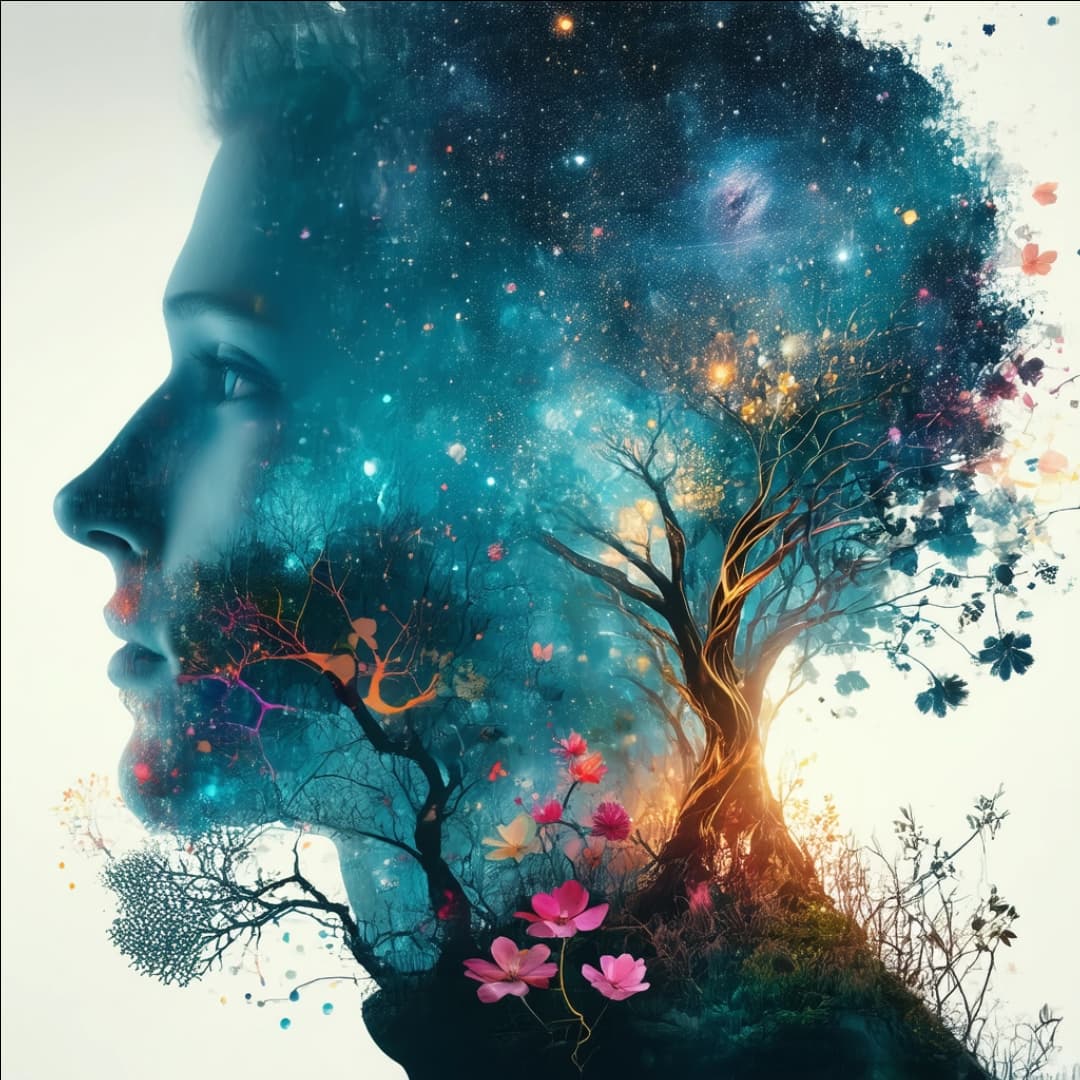
DESCRIPTION:
Highly sensitive personality (HSP): State of research. What does high sensitivity mean? Since the 1990s, an American psychotherapist has been investigating how highly sensitive people perceive stimuli more intensely. Is the concept controversial?
High sensitivity: the highly sensitive personality (HSP) – a look at the current state of research
Do you often feel exhausted more quickly than others? Do you sense the mood in a room even before a word has been spoken? The topic of high sensitivity is on everyone's lips, but facts and myths are often blurred.
What it's all about:
· What HSP really means, being highly sensitive,
· Whether it is a fad or a scientifically proven personality trait,
· What the current state of research is, and
· How you can balance the gifts and challenges of this predisposition.
Why do highly sensitive people process stimuli differently, and how can they healthily deal with this?
What exactly is meant by the terms high sensitivity and HSP?
When we talk about high sensitivity, we mean much more than just being "emotional". It is a fundamental temperamental trait that describes how intensely a person perceives and processes physical and emotional stimuli. HSP is the common abbreviation for Highly Sensitive Person (or HSPs in the plural), a term that has become internationally accepted. But what does that mean exactly? Highly sensitive people have a more finely tuned nervous system. You can think of it as a filter that blocks out background information that is unimportant to most people, but is highly permeable to highly sensitive people.
As a result, they are constantly bombarded with more information. This applies not only to noise and light, but also to subtle social signals. Highly sensitive people perceive nuances in others' facial expressions or sense atmospheric tensions that others do not notice. This characteristic is often referred to in technical jargon as sensory processing sensitivity (SPS). It is therefore about the way sensory information is processed. Highly sensitive people process impressions more deeply ("depth of processing"). On the one hand, this leads to a wealth of perceptions, but on the other hand, it means the capacity to absorb new information is reached more quickly.
Where does the concept of high sensitivity actually come from? (Elaine Aron & the 1990s)
The concept of high sensitivity is not as new as the current media hype suggests, but other names have been used to refer to it. The decisive breakthrough was achieved by the American psychologist Elaine Aron in the 1990s. She coined the term "highly sensitive person" and published the groundbreaking book "The Highly Sensitive Person" in 1996, which made the topic accessible to a broad audience. Elaine Aron defined high sensitivity as a neutral trait that occurs in about 15 to 20 per cent of the population (and, incidentally, in over 100 animal species).
Before Aron's work, sensitive people were often pathologised in psychology or primarily classified as "introverted" or "neurotic" (emotionally unstable). However, Aron and her husband Arthur Aron showed that sensitivity is a construct in its own right. They developed the Highly Sensitive Person Scale (HSPS), a questionnaire still used in research today to assess sensitivity. Interestingly, Elaine Aron herself emphasises that highly sensitive traits can have evolutionary advantages: those who sense danger earlier (sensing the subtle) and think through information more thoroughly before acting ensure the survival of the group. Since the 1990s, research has diversified, and researchers such as Michael Pluess have further developed the model, for example, with the theory of "environmental sensitivity".
Is high sensitivity a disorder or a typical personality trait?
It is essential to clarify one thing: high sensitivity is not an illness. You will not find it in any medical diagnostic manual, such as the ICD-10 or DSM-5. Instead, it is a personality trait or character trait. It is a variation of the human norm, similar to being left-handed or having a specific eye colour. It only becomes a disorder when it causes suffering that reaches the level of a clinical condition – for example, depression or anxiety disorders, which can occur as a result of chronic overload but are not identical to sensitivity itself.
Nevertheless, highly sensitive people are often misunderstood in a clinical context. Because their reactions to environmental stimuli are stronger, they can appear more vulnerable. However, psychology is making increasingly precise distinctions here. While personality disorders describe rigid and maladaptive patterns, the highly sensitive personality is often very adaptable, provided the conditions are right. Today, we usually talk about differential susceptibility: highly sensitive people suffer more than average from poor conditions (noise, criticism, chaos) (tending to be negatively affected), but they also flourish above average in good conditions (support, calm, harmony). So they are not simply "weaker", but react more flexibly to their environment.
How does sensory processing sensitivity (SPS) manifest itself in the brain?
An exciting aspect of high sensitivity is the neurobiological evidence. Critics have long asked: Are these people just imagining things? Modern imaging techniques (fMRI) provide answers. Studies show that the brains of highly sensitive people actually respond differently to stimuli. Higher brain activity can be detected in areas responsible for attention, empathy and the processing of sensory stimuli. In particular, the insula, which is essential for the perception of internal bodily states and emotions, is often more active in highly sensitive people.
The term sensory processing sensitivity (SPS) describes precisely this neurological process. When a highly sensitive person looks at emotional images, for example, their mirror neurons fire more strongly than in non-highly sensitive comparison groups. The brain filters stimuli less strongly, leading to deeper cognitive processing ("depth of processing"). This explains why highly sensitive people often need longer to digest experiences: their brains are working hard. Researchers such as Ulrike Herzberg and Konrad (to name fictional or lesser-known German researchers in context, if specific studies are meant; otherwise, referring to the general discourse) are increasingly examining how this neural excitability affects everyday life.
What role do genes and environment play: is high sensitivity innate?
The current state of research assumes that high sensitivity is mainly genetic. Twin studies suggest that heritability is around 40-50%. This means that the trait is innate. A baby is born with a nervous system that is more sensitive to stimuli. This is consistent with observations by many parents who notice differences in infants' stimulus thresholds (e.g., to noise or to fabrics on the skin).
However, genetics is not everything. Epigenetics and early childhood experiences play a decisive role in how this trait develops. If the child has grown up in a supportive environment, sensitivity is often experienced as a resource (creativity, empathy). In a stressful environment, however, the predisposition can manifest itself in anxiety or extreme shyness. Researchers such as Pluess emphasise that sensitive people are "orchid children": they wither if cared for incorrectly, but when properly cared for, they bloom more magnificently than the robust "dandelions" (less sensitive people). Increased responsiveness to the environment is therefore at the core of this predisposition.
Why is the topic of high sensitivity sometimes controversial in science?
Despite the progress made, the topic of high sensitivity remains highly controversial in academic psychology. One point of criticism concerns the term's selectivity. Some scientists argue that high sensitivity can hardly be distinguished from the Big Five personality traits "neuroticism" (emotional instability) and "openness to experience" (Menschel et al.). Critics such as Lars Satow (a German psychologist who takes a critical look at fashionable psychology) point out that many online tests are not scientifically sound and that the term is often used as a "feel-good diagnosis" to avoid dealing with deficits.
Another problem is commercialisation. There are countless guides and coaches for HSPs, each with varying qualifications. In rigorous science, for example, in journals such as Psychological Science or in discussions of sensory processing sensitivity and its correlates, there are calls to define the concept more precisely and to distinguish it from pathological conditions better. Nevertheless, research is increasing, and acceptance is growing that there is a group of people whose stimulus-processing threshold is significantly lower and whose processing depth is considerably higher than average.
How does high sensitivity differ from autism, ADHD and mental illness?
Since highly sensitive people often report sensory overload, it is easy to confuse it with other phenomena. It is imperative to distinguish it from autism (especially Asperger's syndrome) and ADHD. In autism, sensitivity to stimuli is often similarly pronounced (sensory hypersensitivity). However, the difference often lies in the social component: while autistic people often have difficulty intuitively understanding social cues and emotions of others, highly sensitive people are often above average in empathy and have high social intelligence. They feel almost too much of what others think, while people on the autism spectrum often have to decode these signals cognitively.
There are also overlaps with ADHD, such as being easily distracted by stimuli. However, a highly sensitive person is usually able to concentrate deeply and for long periods of time (hyperfocus) in a quiet environment. In contrast, in ADHD, attention control is often impaired regardless of the situation. In addition, high sensitivity is a stable personality trait, while mental disorders such as depression or anxiety disorders frequently occur episodically or are treatable. In a differential diagnosis, professionals must take a close look: Is the person permanently predisposed to this, or is the "thin skin" a symptom of a crisis or mental illness?
What are the particular strengths of sensitive people, and how do they perceive their environment?
The focus is often placed on the burden, but the highly sensitive personality harbours enormous resources. The ability to respond to subtle stimuli is a gift. Highly sensitive people perceive their environment more intensely. They see colours more vividly, taste nuances in food that others miss, and are deeply moved by music or art. This aesthetic sensitivity is a source of great joy and creativity.
In social interactions, they often act as "seismographs". They notice when a team’s mood changes long before conflicts escalate. Because they process emotional stimuli so strongly, they are often very empathetic, good listeners and caring friends. They think in a networked way and anticipate consequences ("If we do this, that could happen"), which makes them prudent planners. When sensitive people learn to manage their energy, they often become the visionary thought leaders and emotional anchors in their communities. They perceive more – both the good and the challenging.
Sensory overload and stress: how can we better cope with high sensitivity in everyday life?
Dealing with high sensitivity requires good self-management to avert the constant danger of overstimulation. Since the nervous system reaches its limit more quickly, the most crucial strategy is break management. Highly sensitive people need more rest than others to process the information they take in. This is not laziness, but a neurobiological necessity.
Some practical tips for everyday life:
· Stimulus reduction: noise-cancelling headphones on the train, dimmable lighting at home, scratch-free clothing.
· Setting boundaries: learning to say "no". Because HSPs are so sensitive to others’ needs, they tend to neglect themselves (people-pleasing).
· Mindfulness: Techniques such as meditation help to calm the mind when it is agitated by too many environmental stimuli.
· Acceptance: The most important thing is to stop comparing yourself to less sensitive people ("Why doesn't that bother them?"). Once you accept that your own system is highly sensitive, the pressure to "function" like everyone else disappears.
· Therapy: Sometimes a psychotherapist or coach can help you develop strategies, primarily if your sensitivity has led to the development of anxiety (therapy as a support for self-help).
How can you measure high sensitivity? (Psychometric tests and scales)
How can you find out if you are affected? The gold standard is still Elaine Aron's Highly Sensitive Person Scale. This questionnaire asks about various dimensions: Do you react strongly to caffeine? Are you bothered by bright lights? Do you have a rich inner life? There are now also short forms and adapted scales for children. These methods are psychometric instruments that attempt to make subjective experience measurable.
It is essential to understand that these tests provide indications but do not constitute a medical diagnosis (since it is not a disease). In addition, there are many unreliable quick tests on the internet. Scientifically based questionnaires, often abbreviated as HSPS-G (German version), specifically ask about the three core areas: EOE (Ease of Excitation), AES (Aesthetic Sensitivity) and LST (Low Sensory Threshold). If you suspect that you may be highly sensitive, such a test can be a good starting point for self-reflection.
Conclusion: The most important points at a glance
In summary, high sensitivity is not a flaw, but an intense way of life. Here are the most critical points for you:
· Not an illness: High sensitivity is a personality trait that occurs in approximately 15–20% of the population.
· Neurobiologically verifiable: The brains of highly sensitive people show higher brain activity when processing stimuli.
· Genetic and environmental: The predisposition is innate, but the environment determines whether it is experienced as a burden or a strength.
· Deeper processing: The core characteristic is not only stimulus reception, but deeper cognitive and emotional processing (depth of processing).
· Distinction is essential: It must be distinguished from autism, ADHD or trauma consequences, even if symptoms may be similar (comparable in terms of sensitivity to stimuli, different in terms of cause).
· Resource: Highly sensitive people are often creative, empathetic and possess high social intelligence.
· Self-care: The key to happiness lies in consciously managing high sensitivity, protecting oneself from sensory overload, and accepting one's own limits.
Whether you are affected yourself or live or work with highly sensitive people, understanding is the first step. In a noisy world, the quiet sounds that highly sensitive people perceive are often precisely what we are missing.
RELATED ARTICLES:
High sensitivity: Perception, exhaustion and everyday life
High sensitive Persons (HSP): living with intense perceptions and challenges
DESCRIPTION:
Highly sensitive personality (HSP): State of research. What does high sensitivity mean? Since the 1990s, an American psychotherapist has been investigating how highly sensitive people perceive stimuli more intensely. Is the concept controversial?
High sensitivity: the highly sensitive personality (HSP) – a look at the current state of research
Do you often feel exhausted more quickly than others? Do you sense the mood in a room even before a word has been spoken? The topic of high sensitivity is on everyone's lips, but facts and myths are often blurred.
What it's all about:
· What HSP really means, being highly sensitive,
· Whether it is a fad or a scientifically proven personality trait,
· What the current state of research is, and
· How you can balance the gifts and challenges of this predisposition.
Why do highly sensitive people process stimuli differently, and how can they healthily deal with this?
What exactly is meant by the terms high sensitivity and HSP?
When we talk about high sensitivity, we mean much more than just being "emotional". It is a fundamental temperamental trait that describes how intensely a person perceives and processes physical and emotional stimuli. HSP is the common abbreviation for Highly Sensitive Person (or HSPs in the plural), a term that has become internationally accepted. But what does that mean exactly? Highly sensitive people have a more finely tuned nervous system. You can think of it as a filter that blocks out background information that is unimportant to most people, but is highly permeable to highly sensitive people.
As a result, they are constantly bombarded with more information. This applies not only to noise and light, but also to subtle social signals. Highly sensitive people perceive nuances in others' facial expressions or sense atmospheric tensions that others do not notice. This characteristic is often referred to in technical jargon as sensory processing sensitivity (SPS). It is therefore about the way sensory information is processed. Highly sensitive people process impressions more deeply ("depth of processing"). On the one hand, this leads to a wealth of perceptions, but on the other hand, it means the capacity to absorb new information is reached more quickly.
Where does the concept of high sensitivity actually come from? (Elaine Aron & the 1990s)
The concept of high sensitivity is not as new as the current media hype suggests, but other names have been used to refer to it. The decisive breakthrough was achieved by the American psychologist Elaine Aron in the 1990s. She coined the term "highly sensitive person" and published the groundbreaking book "The Highly Sensitive Person" in 1996, which made the topic accessible to a broad audience. Elaine Aron defined high sensitivity as a neutral trait that occurs in about 15 to 20 per cent of the population (and, incidentally, in over 100 animal species).
Before Aron's work, sensitive people were often pathologised in psychology or primarily classified as "introverted" or "neurotic" (emotionally unstable). However, Aron and her husband Arthur Aron showed that sensitivity is a construct in its own right. They developed the Highly Sensitive Person Scale (HSPS), a questionnaire still used in research today to assess sensitivity. Interestingly, Elaine Aron herself emphasises that highly sensitive traits can have evolutionary advantages: those who sense danger earlier (sensing the subtle) and think through information more thoroughly before acting ensure the survival of the group. Since the 1990s, research has diversified, and researchers such as Michael Pluess have further developed the model, for example, with the theory of "environmental sensitivity".
Is high sensitivity a disorder or a typical personality trait?
It is essential to clarify one thing: high sensitivity is not an illness. You will not find it in any medical diagnostic manual, such as the ICD-10 or DSM-5. Instead, it is a personality trait or character trait. It is a variation of the human norm, similar to being left-handed or having a specific eye colour. It only becomes a disorder when it causes suffering that reaches the level of a clinical condition – for example, depression or anxiety disorders, which can occur as a result of chronic overload but are not identical to sensitivity itself.
Nevertheless, highly sensitive people are often misunderstood in a clinical context. Because their reactions to environmental stimuli are stronger, they can appear more vulnerable. However, psychology is making increasingly precise distinctions here. While personality disorders describe rigid and maladaptive patterns, the highly sensitive personality is often very adaptable, provided the conditions are right. Today, we usually talk about differential susceptibility: highly sensitive people suffer more than average from poor conditions (noise, criticism, chaos) (tending to be negatively affected), but they also flourish above average in good conditions (support, calm, harmony). So they are not simply "weaker", but react more flexibly to their environment.
How does sensory processing sensitivity (SPS) manifest itself in the brain?
An exciting aspect of high sensitivity is the neurobiological evidence. Critics have long asked: Are these people just imagining things? Modern imaging techniques (fMRI) provide answers. Studies show that the brains of highly sensitive people actually respond differently to stimuli. Higher brain activity can be detected in areas responsible for attention, empathy and the processing of sensory stimuli. In particular, the insula, which is essential for the perception of internal bodily states and emotions, is often more active in highly sensitive people.
The term sensory processing sensitivity (SPS) describes precisely this neurological process. When a highly sensitive person looks at emotional images, for example, their mirror neurons fire more strongly than in non-highly sensitive comparison groups. The brain filters stimuli less strongly, leading to deeper cognitive processing ("depth of processing"). This explains why highly sensitive people often need longer to digest experiences: their brains are working hard. Researchers such as Ulrike Herzberg and Konrad (to name fictional or lesser-known German researchers in context, if specific studies are meant; otherwise, referring to the general discourse) are increasingly examining how this neural excitability affects everyday life.
What role do genes and environment play: is high sensitivity innate?
The current state of research assumes that high sensitivity is mainly genetic. Twin studies suggest that heritability is around 40-50%. This means that the trait is innate. A baby is born with a nervous system that is more sensitive to stimuli. This is consistent with observations by many parents who notice differences in infants' stimulus thresholds (e.g., to noise or to fabrics on the skin).
However, genetics is not everything. Epigenetics and early childhood experiences play a decisive role in how this trait develops. If the child has grown up in a supportive environment, sensitivity is often experienced as a resource (creativity, empathy). In a stressful environment, however, the predisposition can manifest itself in anxiety or extreme shyness. Researchers such as Pluess emphasise that sensitive people are "orchid children": they wither if cared for incorrectly, but when properly cared for, they bloom more magnificently than the robust "dandelions" (less sensitive people). Increased responsiveness to the environment is therefore at the core of this predisposition.
Why is the topic of high sensitivity sometimes controversial in science?
Despite the progress made, the topic of high sensitivity remains highly controversial in academic psychology. One point of criticism concerns the term's selectivity. Some scientists argue that high sensitivity can hardly be distinguished from the Big Five personality traits "neuroticism" (emotional instability) and "openness to experience" (Menschel et al.). Critics such as Lars Satow (a German psychologist who takes a critical look at fashionable psychology) point out that many online tests are not scientifically sound and that the term is often used as a "feel-good diagnosis" to avoid dealing with deficits.
Another problem is commercialisation. There are countless guides and coaches for HSPs, each with varying qualifications. In rigorous science, for example, in journals such as Psychological Science or in discussions of sensory processing sensitivity and its correlates, there are calls to define the concept more precisely and to distinguish it from pathological conditions better. Nevertheless, research is increasing, and acceptance is growing that there is a group of people whose stimulus-processing threshold is significantly lower and whose processing depth is considerably higher than average.
How does high sensitivity differ from autism, ADHD and mental illness?
Since highly sensitive people often report sensory overload, it is easy to confuse it with other phenomena. It is imperative to distinguish it from autism (especially Asperger's syndrome) and ADHD. In autism, sensitivity to stimuli is often similarly pronounced (sensory hypersensitivity). However, the difference often lies in the social component: while autistic people often have difficulty intuitively understanding social cues and emotions of others, highly sensitive people are often above average in empathy and have high social intelligence. They feel almost too much of what others think, while people on the autism spectrum often have to decode these signals cognitively.
There are also overlaps with ADHD, such as being easily distracted by stimuli. However, a highly sensitive person is usually able to concentrate deeply and for long periods of time (hyperfocus) in a quiet environment. In contrast, in ADHD, attention control is often impaired regardless of the situation. In addition, high sensitivity is a stable personality trait, while mental disorders such as depression or anxiety disorders frequently occur episodically or are treatable. In a differential diagnosis, professionals must take a close look: Is the person permanently predisposed to this, or is the "thin skin" a symptom of a crisis or mental illness?
What are the particular strengths of sensitive people, and how do they perceive their environment?
The focus is often placed on the burden, but the highly sensitive personality harbours enormous resources. The ability to respond to subtle stimuli is a gift. Highly sensitive people perceive their environment more intensely. They see colours more vividly, taste nuances in food that others miss, and are deeply moved by music or art. This aesthetic sensitivity is a source of great joy and creativity.
In social interactions, they often act as "seismographs". They notice when a team’s mood changes long before conflicts escalate. Because they process emotional stimuli so strongly, they are often very empathetic, good listeners and caring friends. They think in a networked way and anticipate consequences ("If we do this, that could happen"), which makes them prudent planners. When sensitive people learn to manage their energy, they often become the visionary thought leaders and emotional anchors in their communities. They perceive more – both the good and the challenging.
Sensory overload and stress: how can we better cope with high sensitivity in everyday life?
Dealing with high sensitivity requires good self-management to avert the constant danger of overstimulation. Since the nervous system reaches its limit more quickly, the most crucial strategy is break management. Highly sensitive people need more rest than others to process the information they take in. This is not laziness, but a neurobiological necessity.
Some practical tips for everyday life:
· Stimulus reduction: noise-cancelling headphones on the train, dimmable lighting at home, scratch-free clothing.
· Setting boundaries: learning to say "no". Because HSPs are so sensitive to others’ needs, they tend to neglect themselves (people-pleasing).
· Mindfulness: Techniques such as meditation help to calm the mind when it is agitated by too many environmental stimuli.
· Acceptance: The most important thing is to stop comparing yourself to less sensitive people ("Why doesn't that bother them?"). Once you accept that your own system is highly sensitive, the pressure to "function" like everyone else disappears.
· Therapy: Sometimes a psychotherapist or coach can help you develop strategies, primarily if your sensitivity has led to the development of anxiety (therapy as a support for self-help).
How can you measure high sensitivity? (Psychometric tests and scales)
How can you find out if you are affected? The gold standard is still Elaine Aron's Highly Sensitive Person Scale. This questionnaire asks about various dimensions: Do you react strongly to caffeine? Are you bothered by bright lights? Do you have a rich inner life? There are now also short forms and adapted scales for children. These methods are psychometric instruments that attempt to make subjective experience measurable.
It is essential to understand that these tests provide indications but do not constitute a medical diagnosis (since it is not a disease). In addition, there are many unreliable quick tests on the internet. Scientifically based questionnaires, often abbreviated as HSPS-G (German version), specifically ask about the three core areas: EOE (Ease of Excitation), AES (Aesthetic Sensitivity) and LST (Low Sensory Threshold). If you suspect that you may be highly sensitive, such a test can be a good starting point for self-reflection.
Conclusion: The most important points at a glance
In summary, high sensitivity is not a flaw, but an intense way of life. Here are the most critical points for you:
· Not an illness: High sensitivity is a personality trait that occurs in approximately 15–20% of the population.
· Neurobiologically verifiable: The brains of highly sensitive people show higher brain activity when processing stimuli.
· Genetic and environmental: The predisposition is innate, but the environment determines whether it is experienced as a burden or a strength.
· Deeper processing: The core characteristic is not only stimulus reception, but deeper cognitive and emotional processing (depth of processing).
· Distinction is essential: It must be distinguished from autism, ADHD or trauma consequences, even if symptoms may be similar (comparable in terms of sensitivity to stimuli, different in terms of cause).
· Resource: Highly sensitive people are often creative, empathetic and possess high social intelligence.
· Self-care: The key to happiness lies in consciously managing high sensitivity, protecting oneself from sensory overload, and accepting one's own limits.
Whether you are affected yourself or live or work with highly sensitive people, understanding is the first step. In a noisy world, the quiet sounds that highly sensitive people perceive are often precisely what we are missing.
RELATED ARTICLES:
High sensitivity: Perception, exhaustion and everyday life
High sensitive Persons (HSP): living with intense perceptions and challenges
Newsletter
Would you like to be notified when I publish a new blog post? Sign up here.
Click "Subscribe for free" if you have read and accepted my privacy policy. You can revoke your consent at any time.
Newsletter
Would you like to be notified when I publish a new blog post? Sign up here.
Click "Subscribe for free" if you have read and accepted my privacy policy. You can revoke your consent at any time.