Solitude
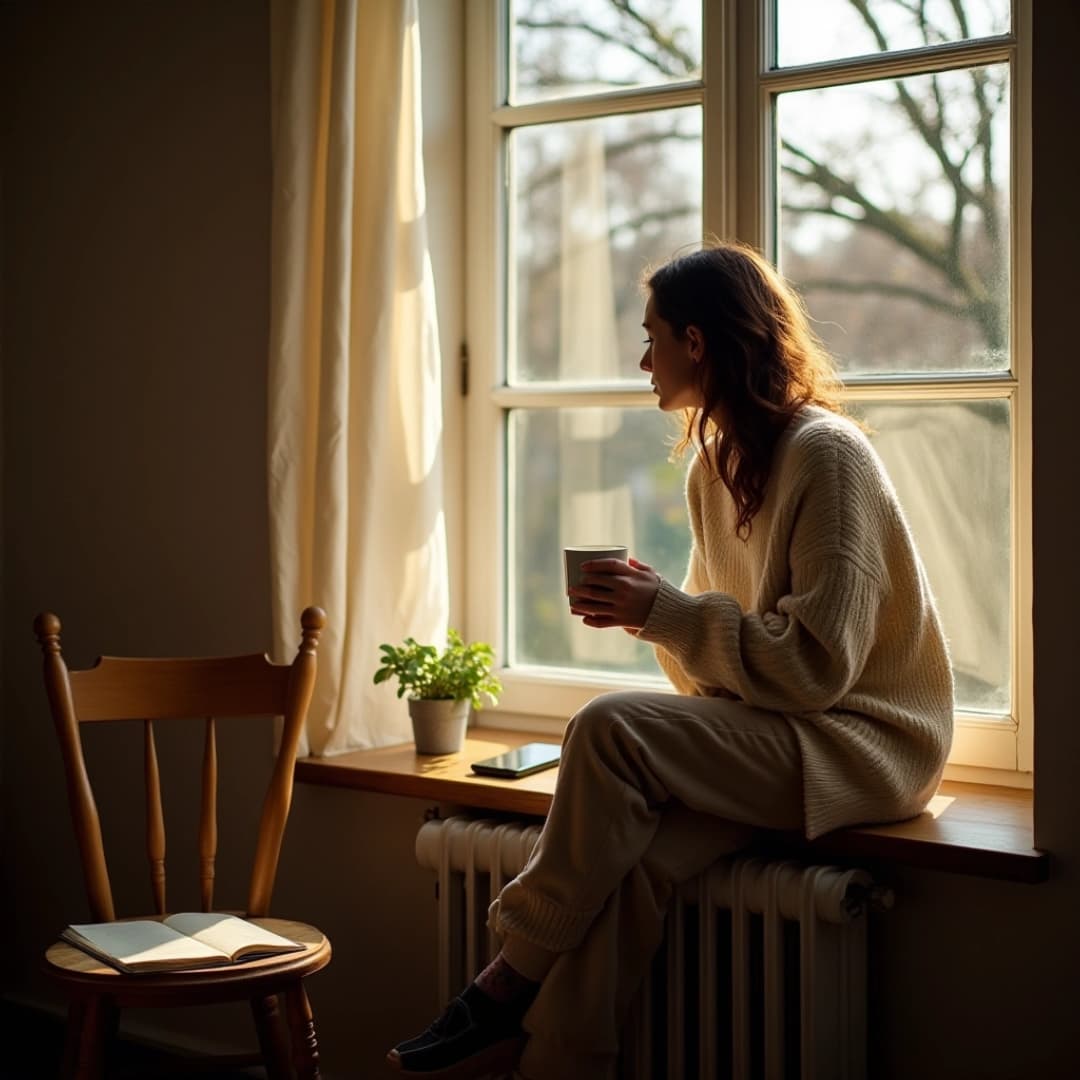
DESCRIPTION:
Being alone and loneliness: psychology, social contacts, health, reducing the fear of being alone, positive time out, benefits, tips, and distinguishing between the two.
Being Alone and Loneliness in Psychology: Why Being Alone Contributes to a Fulfilling Social Life
Psychology makes a clear distinction between loneliness and being alone. Loneliness describes a subjective feeling of distress. Consciously chosen solitude offers many benefits for self-esteem, mindfulness and social connections. The following article summarises current research and presents practical tips for a healthy approach to spending time alone.
How can we distinguish between being alone and loneliness?
Psychology makes a clear distinction between being alone as an objective state and loneliness as a subjective feeling. Being alone describes the absence of other people in a room. Loneliness refers to the inner experience of a lack of social contact. Those who feel lonely experience a gap between the connection they desire and the connection they actually have in their own social life.
The key lies in one’s internal assessment of the situation. Those who view being alone as a space for themselves often feel a deep sense of calm—those who interpret being alone as a sign of not being recognised experience loneliness. In international academic discourse, the term ‘solitude’ is used to describe positive solitude and is increasingly being examined in modern research.
This distinction is central in practice. Two people in the same objective situation can feel completely different: one person experiences peace, the other feels loneliness. Working on one’s relationship with oneself determines which pole prevails. Psychological interventions focus precisely on this point to reduce loneliness and strengthen the capacity for healthy self-regulation.
What does psychology say about the fear of being alone?
The fear of being alone is rooted in early attachment experiences and societal images. Many learn in childhood that being alone is seen as a flaw. A child who often plays alone experiences concern or rejection from adults. These influences carry over into later life and shape internal scripts about being alone and loneliness.
Social media reinforces the impression of constant socialising. Anyone who finds their calendar empty during a quiet period quickly feels excluded. This perception is closely linked to one’s internal evaluation. Two people with identical calendars experience the same evening very differently.
Psychologists recommend gradually building positive experiences of spending time alone to alleviate this fear. A visit to a café, a walk, or a night at the cinema, unaccompanied, acts as a gentle intervention. With every situation successfully navigated, the ability to find peace in solitude grows. In this way, the fear of being alone is reduced in the long term.
Why is being alone good for emotional stability?
Making the most of being alone strengthens emotional stability. During quiet moments, the brain processes stimuli, organises thoughts and regulates emotions. Without this downtime, much remains unprocessed, weighing on both mind and body. Mental health benefits from regular periods of calm without external stimulation.
There is a neurobiological explanation for why being alone is beneficial. When the autonomic nervous system comes to rest, the body can recover, and cortisol levels drop. At the same time, the ability to view even stressful situations with composure grows. This form of self-regulation is often described as resilience and is regarded as an important protective factor for mental health. Those who consciously spend time alone often feel less lonely in everyday life.
Self-confidence also grows during periods of solitude. Without constant validation from others, one gains clarity about the needs and values that underpin one’s own life. This clarity shapes life decisions and fosters emotional resilience. In this way, solitude becomes a training ground for inner stability, strengthening the health and quality of every relationship.
What are the positive benefits of consciously spending time alone?
Consciously chosen time alone brings many benefits. Creativity often arises in moments free from distraction. Those who write, paint or plan need mental space. Studies in creativity research confirm that regular periods of solitude increase productivity and the variety of ideas. The benefit is evident in clearer decisions and a more rested state of mind.
Another positive effect lies in recovery from sensory overload. Every day of life bombards the senses and emotions with impressions. Time alone allows one to withdraw from this sensory overload and lets both body and mind find peace. Many describe this self-chosen solitude as a necessary break for the entire system.
The quality of social interactions also improves through time spent alone. Those who know themselves and remain true to themselves approach encounters more relaxedly. Arguments, dependency and excessive conformity decrease. In this way, self-chosen periods of solitude become a positive resource for social life and foster deeper connections in every relationship.
When does being alone lead to a feeling of loneliness?
Not every phase of being alone feels good. Some periods can trigger feelings of loneliness, such as after a loss, a move, or during a pandemic. Periods without a romantic relationship or following a break-up also often lead to increased loneliness. Various factors can trigger the transition from peaceful solitude to loneliness.
A key factor is whether it is voluntary. A self-imposed break usually has a positive effect. Isolation imposed by external factors, such as illness, unemployment or social rejection, increases the risk of loneliness. Researchers identify a lack of social engagement as a risk factor for the development of depression and anxiety disorders.
Internal factors also play a role. Those who struggle with negative thoughts about themselves often experience greater loneliness when alone. The inner critic grows louder in the silence. Psychology closely links loneliness with issues of self-worth and self-compassion. Loneliness combined with a severe lack of self-worth requires psychotherapeutic support and targeted guidance.
Being alone for introverts and extroverts
Personality shapes how we handle time spent alone. Introverts draw energy from retreat and often describe being alone as soothing. Extroverts recharge their energy through social interaction and find prolonged periods of solitude more stressful. Both preferences are equally valid and well-researched in psychology.
Research shows that extroverts also benefit from regular time alone. A 2023 questionnaire conducted by the University of Reading revealed that short periods of solitude increase well-being across different personality types. The effect depends heavily on one’s inner attitude and the right amount.
For everyday life, it is worth analysing your individual preferences. Those with an introverted disposition should plan longer periods of solitude and ensure they get sufficient rest. Extroverts should take solitude in smaller doses and combine time alone with active pursuits such as sports or hobby projects. In this way, all personality types can benefit from consciously structured time alone.
Mindfulness and productivity through time alone
Mindfulness is particularly easy to practise during periods of solitude. Without conversation, distractions or sensory overload, one’s own perception becomes clearer. Breathing, bodily sensations and thoughts come into sharper focus. In this way, mindfulness becomes a natural companion to self-chosen periods of solitude and supports mental health.
Productivity also benefits. Many are familiar with the state of flow: concentrated work without interruption, deep immersion in a task. This state arises above all during periods of solitude, when neither calls nor messages break one’s focus. Science and practice confirm that peak productivity is closely linked to undisturbed periods of solitude.
It is worth making such periods a fixed part of your daily routine. A tip: set aside one afternoon a week as a dedicated time for solitude, without a phone or a calendar. This time-out creates space for mindfulness, creative thinking and restorative calm. The effect on productivity and emotional balance becomes apparent after just a few weeks.
How do younger people experience solitude and loneliness today?
Younger people face particular challenges in dealing with solitude. A constantly connected world suggests that every spare minute should be filled with social interaction. Young people who regularly stay at home alone often feel lonely more quickly than previous generations in similar situations.
Research on solitude throughout the life course, including adulthood, shows that the ability to be at ease with solitude can be cultivated. The foundations are laid in childhood; in adolescence, peer groups shape the experience; and in middle adulthood, the capacity for reflection grows. Each phase offers its own opportunities for a positive relationship with solitude.
Many people only discover the power of quiet time in later stages of life. Needs become clearer, distractions lose their appeal, and silence gains value. Consciously establishing rituals of calm supports this process at every stage of life. In this way, the ability to approach solitude with composure grows over the years.
Practical tips: Making the most of time alone
A first tip for successful solitude lies in planning. A fixed time alone each week structures daily life and acts as a preventative measure against loneliness. The duration can vary; it is the quality that counts. Even short daily rituals, such as walks without headphones, foster a connection with oneself and sensitivity to one’s own feelings.
The second tip concerns the use of social media. Constant scrolling fills every break with external stimuli. Conscious breaks from screens create space for what is psychologically beneficial: sorting through thoughts, feelings, and planning. In this way, social life and solitude support one another, provided both aspects are lived consciously.
The third tip is aimed at people with dysfunctional patterns—anyone who regularly falls into brooding or self-reproach when alone needs targeted intervention. Journaling, psychotherapeutic support or small exercises help to calm the inner critic. In this way, time alone reliably becomes a positive break, even during difficult phases of life and in moments of loneliness. Like-minded people in self-help groups or guided discussion groups offer additional support.
Conclusion: Being alone is a building block of a fulfilling social life
Being alone and having a successful social life go hand in hand. Those who are comfortable being alone tend to appear more at ease, open and capable of forming lasting bonds in company. In this way, loneliness transforms into chosen tranquillity, inner stability and strength. Modern psychology supports this connection with numerous findings.
People who value solitude often have more fulfilling relationships and remain more composed in times of crisis. Living alone can be a fulfilling phase with a high quality of life, particularly when daily routines are consciously structured. The combination of quiet time and active social contact forms a resilient framework for life.
Those who embark on the path to conscious solitude gain a valuable resource for their daily lives. Complemented by psychotherapeutic support where needed, a lasting, sustainable foundation is created. Solitude and connectedness work together to strengthen mental health and overall vitality.
The most important points at a glance
· Psychology distinguishes between solitude, an objective state, and loneliness, a subjective feeling of distress.
· The fear of being alone is rooted in early experiences and is often exacerbated by social media.
· Being alone, when managed well, strengthens emotional stability, self-esteem and mental health.
· Time alone fosters creativity, productivity and the depth of social relationships.
· Quality time alone is enhanced by choice and one’s inner attitude.
· Both introverts and extroverts benefit from deliberate periods of solitude.
· Younger people need conscious strategies to counter constant social comparison.
· Social media and sensory overload require deliberate countermeasures, such as a targeted time-out.
· Prolonged loneliness accompanied by significant distress requires psychotherapeutic support.
· Being alone and social life are two building blocks of a fulfilling life characterised by connection and well-being.
RELATED ARTICLES:
DESCRIPTION:
Being alone and loneliness: psychology, social contacts, health, reducing the fear of being alone, positive time out, benefits, tips, and distinguishing between the two.
Being Alone and Loneliness in Psychology: Why Being Alone Contributes to a Fulfilling Social Life
Psychology makes a clear distinction between loneliness and being alone. Loneliness describes a subjective feeling of distress. Consciously chosen solitude offers many benefits for self-esteem, mindfulness and social connections. The following article summarises current research and presents practical tips for a healthy approach to spending time alone.
How can we distinguish between being alone and loneliness?
Psychology makes a clear distinction between being alone as an objective state and loneliness as a subjective feeling. Being alone describes the absence of other people in a room. Loneliness refers to the inner experience of a lack of social contact. Those who feel lonely experience a gap between the connection they desire and the connection they actually have in their own social life.
The key lies in one’s internal assessment of the situation. Those who view being alone as a space for themselves often feel a deep sense of calm—those who interpret being alone as a sign of not being recognised experience loneliness. In international academic discourse, the term ‘solitude’ is used to describe positive solitude and is increasingly being examined in modern research.
This distinction is central in practice. Two people in the same objective situation can feel completely different: one person experiences peace, the other feels loneliness. Working on one’s relationship with oneself determines which pole prevails. Psychological interventions focus precisely on this point to reduce loneliness and strengthen the capacity for healthy self-regulation.
What does psychology say about the fear of being alone?
The fear of being alone is rooted in early attachment experiences and societal images. Many learn in childhood that being alone is seen as a flaw. A child who often plays alone experiences concern or rejection from adults. These influences carry over into later life and shape internal scripts about being alone and loneliness.
Social media reinforces the impression of constant socialising. Anyone who finds their calendar empty during a quiet period quickly feels excluded. This perception is closely linked to one’s internal evaluation. Two people with identical calendars experience the same evening very differently.
Psychologists recommend gradually building positive experiences of spending time alone to alleviate this fear. A visit to a café, a walk, or a night at the cinema, unaccompanied, acts as a gentle intervention. With every situation successfully navigated, the ability to find peace in solitude grows. In this way, the fear of being alone is reduced in the long term.
Why is being alone good for emotional stability?
Making the most of being alone strengthens emotional stability. During quiet moments, the brain processes stimuli, organises thoughts and regulates emotions. Without this downtime, much remains unprocessed, weighing on both mind and body. Mental health benefits from regular periods of calm without external stimulation.
There is a neurobiological explanation for why being alone is beneficial. When the autonomic nervous system comes to rest, the body can recover, and cortisol levels drop. At the same time, the ability to view even stressful situations with composure grows. This form of self-regulation is often described as resilience and is regarded as an important protective factor for mental health. Those who consciously spend time alone often feel less lonely in everyday life.
Self-confidence also grows during periods of solitude. Without constant validation from others, one gains clarity about the needs and values that underpin one’s own life. This clarity shapes life decisions and fosters emotional resilience. In this way, solitude becomes a training ground for inner stability, strengthening the health and quality of every relationship.
What are the positive benefits of consciously spending time alone?
Consciously chosen time alone brings many benefits. Creativity often arises in moments free from distraction. Those who write, paint or plan need mental space. Studies in creativity research confirm that regular periods of solitude increase productivity and the variety of ideas. The benefit is evident in clearer decisions and a more rested state of mind.
Another positive effect lies in recovery from sensory overload. Every day of life bombards the senses and emotions with impressions. Time alone allows one to withdraw from this sensory overload and lets both body and mind find peace. Many describe this self-chosen solitude as a necessary break for the entire system.
The quality of social interactions also improves through time spent alone. Those who know themselves and remain true to themselves approach encounters more relaxedly. Arguments, dependency and excessive conformity decrease. In this way, self-chosen periods of solitude become a positive resource for social life and foster deeper connections in every relationship.
When does being alone lead to a feeling of loneliness?
Not every phase of being alone feels good. Some periods can trigger feelings of loneliness, such as after a loss, a move, or during a pandemic. Periods without a romantic relationship or following a break-up also often lead to increased loneliness. Various factors can trigger the transition from peaceful solitude to loneliness.
A key factor is whether it is voluntary. A self-imposed break usually has a positive effect. Isolation imposed by external factors, such as illness, unemployment or social rejection, increases the risk of loneliness. Researchers identify a lack of social engagement as a risk factor for the development of depression and anxiety disorders.
Internal factors also play a role. Those who struggle with negative thoughts about themselves often experience greater loneliness when alone. The inner critic grows louder in the silence. Psychology closely links loneliness with issues of self-worth and self-compassion. Loneliness combined with a severe lack of self-worth requires psychotherapeutic support and targeted guidance.
Being alone for introverts and extroverts
Personality shapes how we handle time spent alone. Introverts draw energy from retreat and often describe being alone as soothing. Extroverts recharge their energy through social interaction and find prolonged periods of solitude more stressful. Both preferences are equally valid and well-researched in psychology.
Research shows that extroverts also benefit from regular time alone. A 2023 questionnaire conducted by the University of Reading revealed that short periods of solitude increase well-being across different personality types. The effect depends heavily on one’s inner attitude and the right amount.
For everyday life, it is worth analysing your individual preferences. Those with an introverted disposition should plan longer periods of solitude and ensure they get sufficient rest. Extroverts should take solitude in smaller doses and combine time alone with active pursuits such as sports or hobby projects. In this way, all personality types can benefit from consciously structured time alone.
Mindfulness and productivity through time alone
Mindfulness is particularly easy to practise during periods of solitude. Without conversation, distractions or sensory overload, one’s own perception becomes clearer. Breathing, bodily sensations and thoughts come into sharper focus. In this way, mindfulness becomes a natural companion to self-chosen periods of solitude and supports mental health.
Productivity also benefits. Many are familiar with the state of flow: concentrated work without interruption, deep immersion in a task. This state arises above all during periods of solitude, when neither calls nor messages break one’s focus. Science and practice confirm that peak productivity is closely linked to undisturbed periods of solitude.
It is worth making such periods a fixed part of your daily routine. A tip: set aside one afternoon a week as a dedicated time for solitude, without a phone or a calendar. This time-out creates space for mindfulness, creative thinking and restorative calm. The effect on productivity and emotional balance becomes apparent after just a few weeks.
How do younger people experience solitude and loneliness today?
Younger people face particular challenges in dealing with solitude. A constantly connected world suggests that every spare minute should be filled with social interaction. Young people who regularly stay at home alone often feel lonely more quickly than previous generations in similar situations.
Research on solitude throughout the life course, including adulthood, shows that the ability to be at ease with solitude can be cultivated. The foundations are laid in childhood; in adolescence, peer groups shape the experience; and in middle adulthood, the capacity for reflection grows. Each phase offers its own opportunities for a positive relationship with solitude.
Many people only discover the power of quiet time in later stages of life. Needs become clearer, distractions lose their appeal, and silence gains value. Consciously establishing rituals of calm supports this process at every stage of life. In this way, the ability to approach solitude with composure grows over the years.
Practical tips: Making the most of time alone
A first tip for successful solitude lies in planning. A fixed time alone each week structures daily life and acts as a preventative measure against loneliness. The duration can vary; it is the quality that counts. Even short daily rituals, such as walks without headphones, foster a connection with oneself and sensitivity to one’s own feelings.
The second tip concerns the use of social media. Constant scrolling fills every break with external stimuli. Conscious breaks from screens create space for what is psychologically beneficial: sorting through thoughts, feelings, and planning. In this way, social life and solitude support one another, provided both aspects are lived consciously.
The third tip is aimed at people with dysfunctional patterns—anyone who regularly falls into brooding or self-reproach when alone needs targeted intervention. Journaling, psychotherapeutic support or small exercises help to calm the inner critic. In this way, time alone reliably becomes a positive break, even during difficult phases of life and in moments of loneliness. Like-minded people in self-help groups or guided discussion groups offer additional support.
Conclusion: Being alone is a building block of a fulfilling social life
Being alone and having a successful social life go hand in hand. Those who are comfortable being alone tend to appear more at ease, open and capable of forming lasting bonds in company. In this way, loneliness transforms into chosen tranquillity, inner stability and strength. Modern psychology supports this connection with numerous findings.
People who value solitude often have more fulfilling relationships and remain more composed in times of crisis. Living alone can be a fulfilling phase with a high quality of life, particularly when daily routines are consciously structured. The combination of quiet time and active social contact forms a resilient framework for life.
Those who embark on the path to conscious solitude gain a valuable resource for their daily lives. Complemented by psychotherapeutic support where needed, a lasting, sustainable foundation is created. Solitude and connectedness work together to strengthen mental health and overall vitality.
The most important points at a glance
· Psychology distinguishes between solitude, an objective state, and loneliness, a subjective feeling of distress.
· The fear of being alone is rooted in early experiences and is often exacerbated by social media.
· Being alone, when managed well, strengthens emotional stability, self-esteem and mental health.
· Time alone fosters creativity, productivity and the depth of social relationships.
· Quality time alone is enhanced by choice and one’s inner attitude.
· Both introverts and extroverts benefit from deliberate periods of solitude.
· Younger people need conscious strategies to counter constant social comparison.
· Social media and sensory overload require deliberate countermeasures, such as a targeted time-out.
· Prolonged loneliness accompanied by significant distress requires psychotherapeutic support.
· Being alone and social life are two building blocks of a fulfilling life characterised by connection and well-being.
RELATED ARTICLES:
Newsletter
Möchten Sie informiert werden, wenn ich einen neuen Blogbeitrag veröffentliche? Tragen Sie sich gern hier ein.
Klicken Sie auf „Kostenlos abonnieren“, wenn Sie meine Datenschutzerklärung gelesen und akzeptiert haben. Ihre Einwilligung können Sie jederzeit widerrufen.
Newsletter
Möchten Sie informiert werden, wenn ich einen neuen Blogbeitrag veröffentliche? Tragen Sie sich gern hier ein.
Klicken Sie auf „Kostenlos abonnieren“, wenn Sie meine Datenschutzerklärung gelesen und akzeptiert haben. Ihre Einwilligung können Sie jederzeit widerrufen.